When your 3 year old won’t potty train, frustration is completely normal. Research from the American Academy of Pediatrics shows that 25% of children aren’t fully potty trained by age 3, making resistance more common than parents realize. Understanding why your child refuses and implementing targeted strategies can transform this challenging phase into successful independence.
Why Your 3-Year-Old Refuses Potty Training
Three-year-olds who refuse potty training often exhibit this behavior due to developmental readiness rather than defiance. According to 2024 pediatric studies, children develop bladder control between 18 months to 4 years, with significant variation in readiness signs. Fear, control issues, and physical discomfort frequently drive resistance in toddlers who previously showed interest.
Smart toddlers particularly struggle with potty training because they understand the process intellectually but may lack emotional readiness. Research indicates that intelligent children often overthink the transition, creating anxiety around bathroom independence. Additionally, major life changes like moving, new siblings, or starting preschool can trigger regression in previously cooperative children.
Developmental Readiness Signs Missing
When developmental signs aren’t fully present, forcing potty training creates resistance. Key indicators include staying dry for longer periods, showing interest in adult bathroom habits, and communicating bathroom needs clearly. Children missing these foundational skills benefit from waiting 2-4 weeks before restarting training efforts.
Fear-Based Resistance Patterns
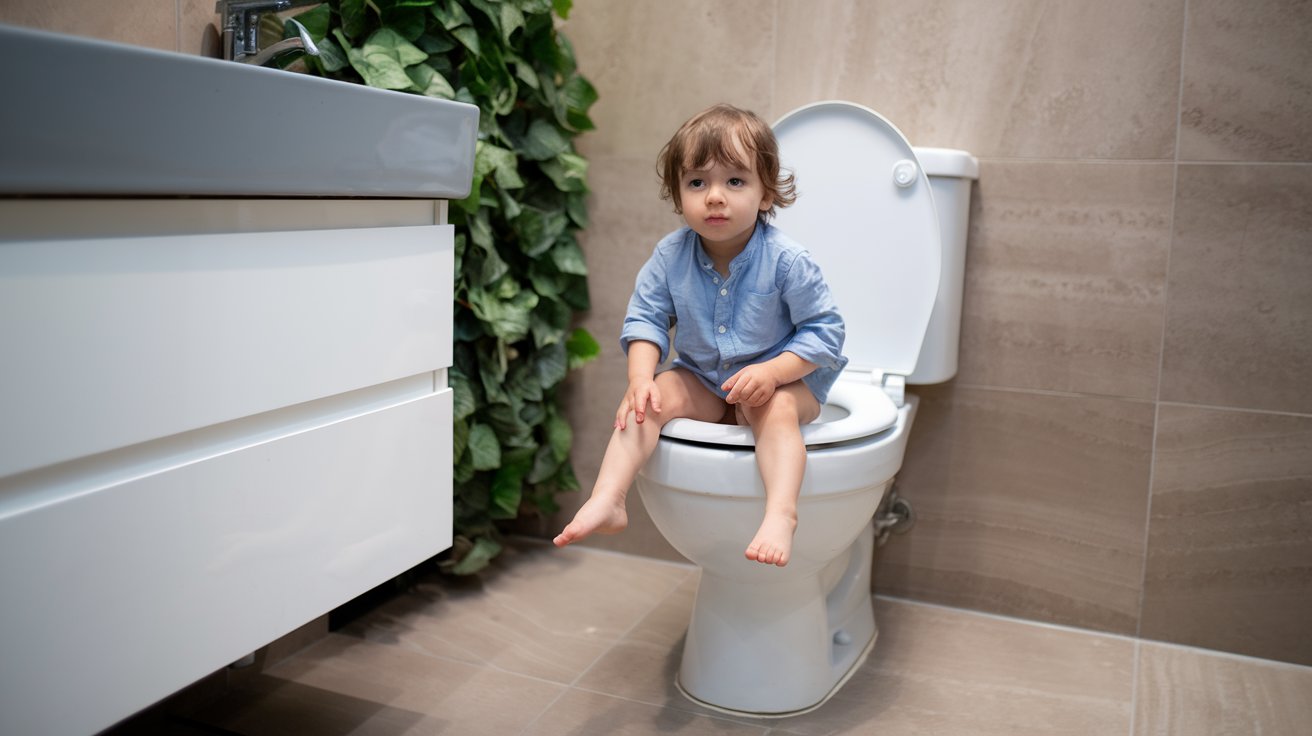
Fear-based resistance manifests through crying, hiding, or physically running away from the potty. Common fears include falling in, loud flushing sounds, or fear of body functions. Addressing these specific anxieties through gradual exposure and comfort measures typically resolves resistance within 1-2 weeks.
Proven Strategies When Your Toddler Won’t Use the Potty
Effective strategies for toddlers who refuse potty training focus on reducing pressure while maintaining consistency. The “potty pause” method, recommended by pediatric specialists, involves taking a complete 2-week break from training attempts. This reset period allows children to regain interest naturally while parents reassess their approach and timing.
Incentive systems work exceptionally well for resistant 3-year-olds when properly implemented. Sticker charts, small rewards, and celebration rituals create positive associations with potty use. However, avoiding bribes while focusing on intrinsic motivation ensures long-term success rather than dependency on external rewards for basic functions.
Is It Normal for a 3-Year-Old to Not Be Potty Trained?
According to 2024 American Academy of Pediatrics guidelines, approximately 75% of 3-year-olds achieve daytime dryness, meaning 25% haven’t completed potty training by their third birthday. This statistic reassures parents that late training falls within normal developmental ranges. Nighttime dryness typically develops 3-6 months after daytime control, with some children requiring until age 5 for complete bladder maturity.
Cultural shifts in potty training timelines show that modern children train later than previous generations. In the 1950s, 95% of children were trained by 18 months, while current averages place completion between 2.5 to 3.5 years. Disposable diapers, busy family schedules, and increased awareness of developmental readiness contribute to these extended timelines without indicating developmental delays.
3.5-Year-Old Potty Training Statistics
Research indicates that 90% of 3.5-year-olds achieve daytime dryness, with girls typically completing training 2-3 months earlier than boys. Children who begin training after age 3 often complete the process faster due to increased physical and emotional readiness, typically within 3-6 months of starting.
Gender Differences in Training Timelines
Boys and girls show distinct patterns in potty training resistance and completion. Girls typically master daytime training by 29 months, while boys average 31 months. However, both genders can experience similar refusal behaviors, with boys more likely to resist sitting positions and girls more prone to perfectionist anxieties.
Red Flags That Require Professional Evaluation
Certain behaviors signal when potty training refusal indicates underlying developmental concerns requiring pediatric evaluation. Red flags include complete lack of interest by age 4, inability to recognize bathroom urges, frequent accidents after 6 months of successful training, or extreme distress during bathroom activities. These signs may indicate bladder dysfunction, sensory processing issues, or developmental delays.
Autism spectrum indicators often manifest during potty training through rigid behavioral patterns, sensory sensitivities, or communication challenges around bathroom needs. Children with autism may require specialized approaches including visual schedules, sensory accommodations, and extended training timelines. Early identification and intervention significantly improve training success rates.
Special Approaches for Girls Who Refuse Potty Training
Girls who resist potty training often respond well to social motivation and routine-based approaches. Creating “big girl” narratives around potty use, involving favorite dolls in training demonstrations, and establishing consistent bathroom routines leverage girls’ typical developmental preferences. Princess-themed potties, special underwear selection, and peer modeling from older sisters or friends frequently overcome resistance.
Perfectionist tendencies in girls can create potty training anxiety when they fear making mistakes. Emphasizing that accidents are normal learning experiences and avoiding criticism during setbacks maintains confidence. Girls particularly benefit from privacy accommodations and comfortable bathroom environments that feel safe and non-threatening.
Social Motivation Techniques for Girls
Social strategies work exceptionally well for girls, including playdates with potty-trained friends, big sister role-playing, and group potty breaks at preschool. These peer influences naturally encourage independence without parental pressure, often resolving resistance within 2-3 weeks of implementation.
Creating Girl-Friendly Bathroom Spaces
Comfortable, appealing bathroom environments significantly impact girls’ willingness to use the potty. Decorative elements like colorful step stools, favorite character toilet seats, and adequate lighting create positive associations. Privacy considerations, including locks and comfortable clothing removal space, address girls’ typical modesty concerns.
Managing Boys Who Refuse to Poop on the Potty
Boys often separate urination and bowel movement training, mastering peeing while continuing to resist pooping on the potty. This pattern occurs in approximately 40% of potty training boys due to fear of falling, loss of control, or simply preferring familiar diaper comfort. Addressing poop resistance requires patience and specific strategies targeting these unique concerns.
Constipation frequently underlies boys’ refusal to poop on the potty, creating physical discomfort and negative associations. Ensuring adequate fiber intake, sufficient hydration, and regular movement helps maintain healthy bowel patterns. When boys associate potty sitting with discomfort, they naturally resist the location rather than the function.
Handling Sudden Potty Refusal After Previous Success
When previously cooperative children suddenly refuse potty use, regression typically stems from stress, illness, or major life changes. Moving homes, starting daycare, welcoming new siblings, or experiencing family stress can trigger temporary backward steps in potty training progress. Understanding these regression triggers helps parents respond appropriately rather than intensifying training pressure.
Medical issues including urinary tract infections, constipation, or stomach bugs can create negative potty associations, leading to refusal behaviors. Children who experience pain during bathroom activities naturally develop avoidance patterns. Consulting pediatricians when sudden refusal follows illness ensures underlying medical causes receive appropriate treatment before resuming training efforts.
Stress-Related Regression Patterns
Stress-induced regression typically resolves within 2-4 weeks when underlying stressors are addressed or children adapt to changes. Maintaining consistent routines, offering extra emotional support, and temporarily reducing training expectations helps children regain confidence and control during challenging transitions.
Medical Causes of Sudden Refusal
Urinary tract infections, constipation, and gastrointestinal issues frequently cause sudden potty avoidance in previously trained children. Symptoms including crying during urination, holding behaviors, or changes in stool consistency warrant pediatric evaluation to rule out medical causes before addressing behavioral concerns.
School Readiness and Potty Training Deadlines
Many preschools and kindergarten programs require potty training completion for enrollment, creating pressure for families with resistant 3-year-olds. However, 2024 educational guidelines show increasing flexibility, with many schools offering transition support for children still mastering independence. Communicating openly with school administrators about your child’s progress often reveals accommodation options.
Preparing children for school bathroom independence involves practicing public restroom use, teaching proper hygiene techniques, and building confidence in asking for help when needed. Children who master these skills feel more secure starting school, even if occasional accidents still occur. Most educational settings expect and accommodate normal developmental variations in potty training completion.
Related video about my 3 year old won’t potty train
This video complements the article information with a practical visual demonstration.
Essential Q&A about my 3 year old won’t potty train
How do you potty train a 3-year-old who refuses?
Start with a 2-week potty pause to reduce pressure, then reintroduce training using positive reinforcement and child-led readiness cues. Focus on making the potty comfortable and non-threatening while maintaining consistent, gentle encouragement. Most resistant 3-year-olds respond within 4-6 weeks when pressure is removed and replaced with supportive guidance.
Is it normal for my 3-year-old to not be potty trained?
Yes, 25% of children aren’t fully potty trained by age 3 according to American Academy of Pediatrics data. Modern children train later than previous generations, with average completion occurring between 2.5 to 3.5 years. This extended timeline reflects normal developmental variation rather than delays or problems.
What percent of 3.5-year-olds are potty trained?
Approximately 90% of 3.5-year-olds achieve daytime dryness, with the remaining 10% completing training by age 4. Girls typically finish training 2-3 months earlier than boys, but both genders show significant individual variation in readiness and completion timelines.
What is a red flag for potty training?
Red flags include complete disinterest by age 4, inability to recognize bathroom urges, extreme distress during potty activities, or frequent accidents after 6+ months of previous success. These signs may indicate developmental delays, sensory issues, or medical problems requiring pediatric evaluation and specialized intervention strategies.
Can smart toddlers be harder to potty train?
Yes, intelligent toddlers often overthink the potty training process, creating anxiety that leads to resistance. They may understand the concept intellectually but struggle with emotional readiness or fear making mistakes. These children typically benefit from reduced pressure and logic-based explanations about normal learning processes.
When should I be concerned about potty training delays?
Consult your pediatrician if your child shows no interest in potty training by age 4, experiences painful urination or bowel movements, has frequent accidents after being trained for 6+ months, or displays extreme fear or anxiety around bathroom activities. Early intervention addresses underlying issues effectively.
| Training Challenge | Effective Solution | Expected Timeline |
|---|---|---|
| Complete refusal | 2-week potty pause + gentle restart | 4-6 weeks |
| Fear-based resistance | Gradual exposure + comfort measures | 1-2 weeks |
| Poop refusal (boys) | Address constipation + comfort positioning | 3-8 weeks |
| Regression after success | Identify stressors + maintain consistency | 2-4 weeks |
| School readiness pressure | Communicate with school + practice skills | 2-3 months |