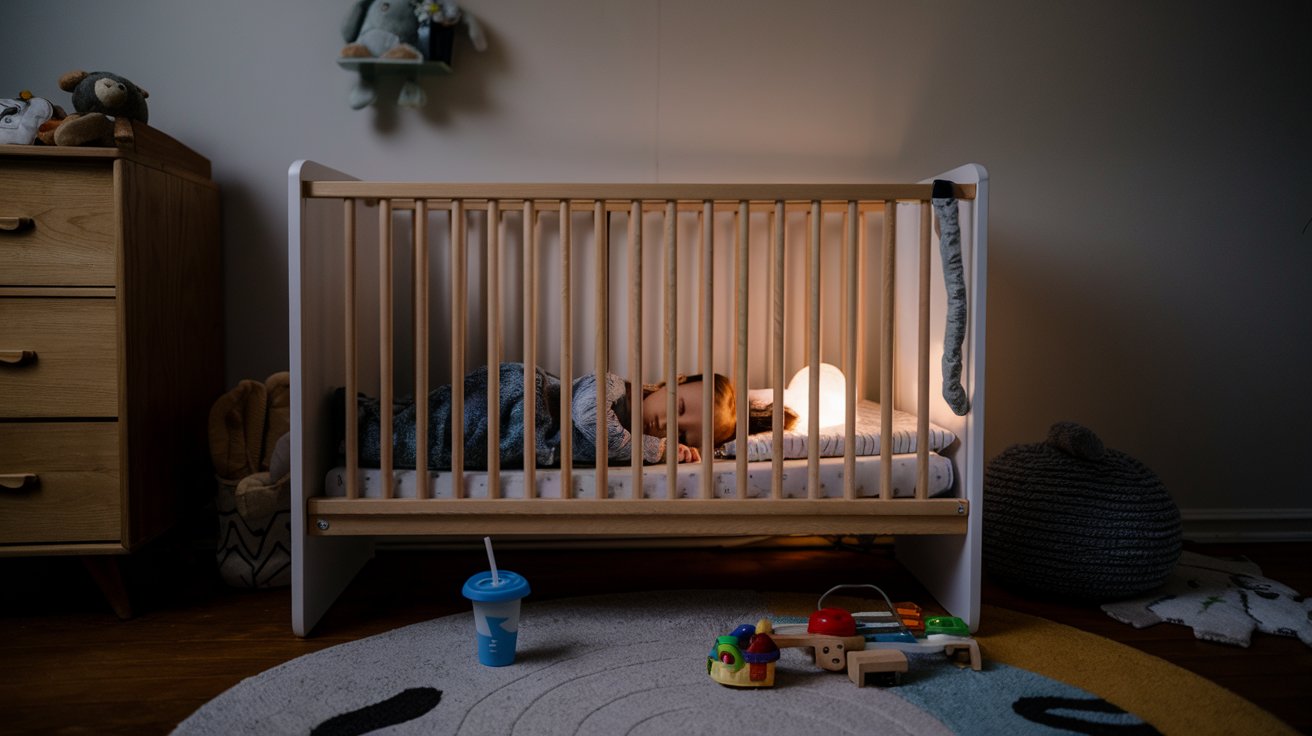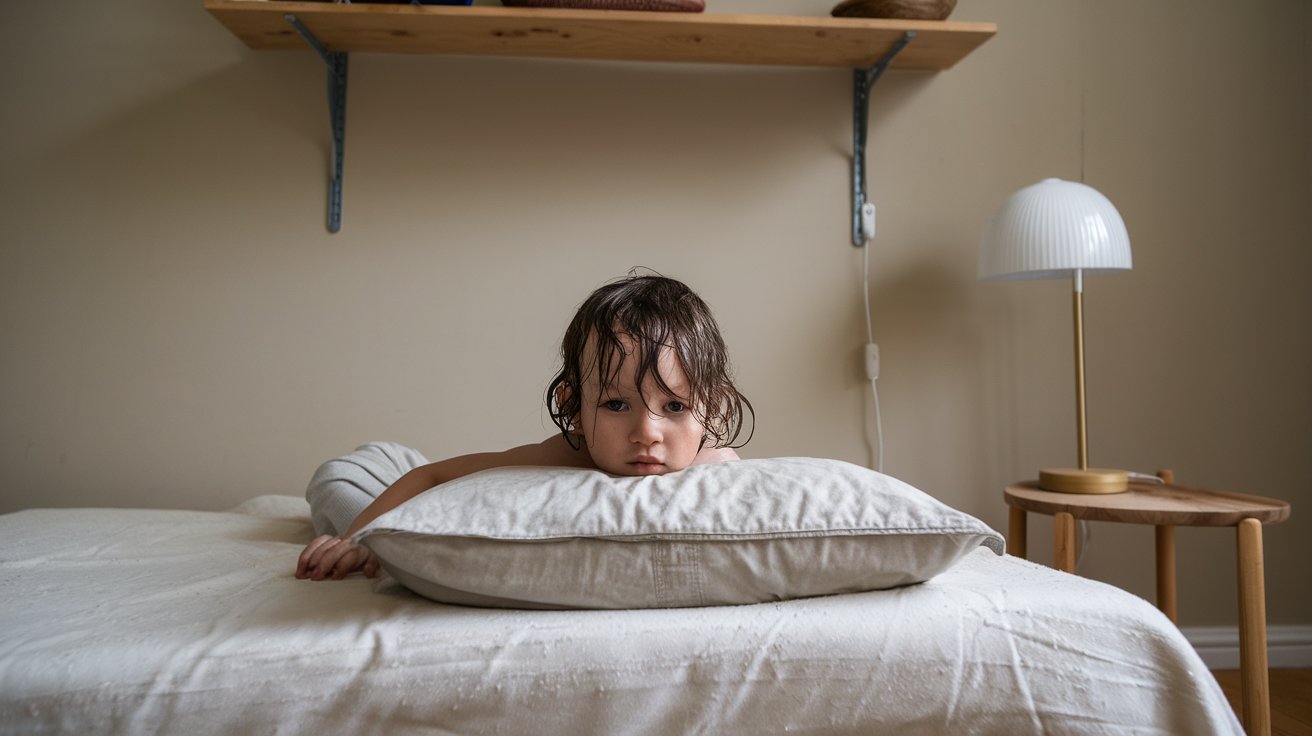
If you’ve ever wondered why your child sweats excessively at night, you’re not alone. Nighttime sweating in children is incredibly common, affecting up to 12% of kids in the United States according to 2024 pediatric studies. While most cases are completely normal and related to children’s naturally active sleep cycles, understanding the difference between normal sweating and concerning symptoms can help you ensure your child’s comfort and health.
Understanding Normal Nighttime Sweating in Children
Children naturally sweat more during sleep than adults due to their developing thermoregulation systems. The American Academy of Pediatrics reports that children have a higher metabolic rate and more active sweat glands relative to their body size. During deep sleep phases, particularly REM sleep, children’s bodies work harder to maintain optimal temperature, leading to increased perspiration.
Most nighttime sweating in healthy children occurs during the first few hours of sleep when they transition from light to deep sleep stages. This is completely normal and typically doesn’t indicate any underlying health issues. Children aged 2-12 are especially prone to this phenomenon as their nervous systems are still maturing.
Common Causes of Excessive Night Sweats in Children
Several factors contribute to why children sweat excessively at night. Environmental factors top the list, with room temperature being the most significant contributor. The ideal bedroom temperature for children should be between 65-68°F (18-20°C) according to sleep specialists.
Other common causes include heavy bedding materials, synthetic pajamas that don’t breathe well, and mattresses that retain heat. Overdressing children for sleep is another frequent culprit, as parents often worry about their child getting cold during the night.
Age-Specific Sweating Patterns
Toddlers and preschoolers (ages 2-5) typically experience the most intense nighttime sweating due to their rapid growth and development. School-age children (6-12) may sweat heavily during growth spurts, while adolescents often experience increased sweating due to hormonal changes during puberty.
Sleep Cycle Related Sweating
Children spend more time in deep sleep than adults, and during these phases, their bodies undergo significant physiological recovery processes. This natural recovery state can trigger increased sweating as the body works to repair tissues, consolidate memories, and regulate hormones.
When Night Sweats Become Concerning
While most nighttime sweating is harmless, certain symptoms warrant medical attention. Fever accompanying night sweats is always a red flag and requires immediate pediatric consultation. According to 2024 clinical guidelines, parents should contact their healthcare provider if sweating is accompanied by fever over 100.4°F (38°C).
Loud snoring or breathing difficulties during sleep, combined with excessive sweating, may indicate sleep apnea or other respiratory issues. Additionally, if your child wakes up completely drenched multiple times per week despite appropriate room conditions, this may suggest an underlying medical condition requiring evaluation.
Medical Conditions That Cause Night Sweats
Several medical conditions can cause pathological night sweating in children. These include sleep-disordered breathing, certain medications, infections, hyperthyroidism, and rarely, more serious conditions. A pediatric evaluation can help distinguish between normal and abnormal sweating patterns.
Warning Signs Requiring Immediate Attention
Seek immediate medical care if night sweats are accompanied by weight loss, persistent fever, difficulty breathing, extreme fatigue during the day, or changes in appetite. These symptoms combined with excessive sweating may indicate conditions requiring prompt medical intervention.
Effective Solutions to Reduce Nighttime Sweating
Creating an optimal sleep environment is the most effective way to reduce excessive nighttime sweating. Start by maintaining a cool room temperature between 65-68°F and ensuring good air circulation with a quiet fan or proper ventilation system.
Choose breathable, natural fiber bedding materials like cotton or bamboo, and dress your child in lightweight, moisture-wicking pajamas. Avoid heavy blankets and comforters, opting instead for lighter layers that can be easily adjusted throughout the night.
Bedding and Clothing Recommendations
Invest in breathable mattress protectors and sheets made from natural materials. Avoid synthetic fabrics that trap heat and moisture. Lightweight sleepwear in natural fibers allows better air circulation and helps maintain optimal body temperature throughout the night.
Environmental Control Strategies
Use blackout curtains to prevent morning sun from heating the room, and consider a programmable thermostat to maintain consistent cool temperatures overnight. Air purifiers with quiet operation can improve air quality while providing gentle circulation.
Age-Specific Night Sweating Considerations
Different age groups require tailored approaches to managing nighttime sweating. Infants and toddlers (0-3 years) are particularly sensitive to temperature changes and may need more frequent monitoring to ensure they’re not overheating.
School-age children (4-12 years) can be taught to recognize when they’re too warm and make adjustments themselves. Adolescent sweating often intensifies due to hormonal changes, requiring more frequent bedding changes and possibly stronger cooling measures.
The Role of Diet and Hydration in Night Sweats
What children eat and drink before bedtime can significantly impact nighttime sweating patterns. Spicy foods, caffeine, and large meals close to bedtime can increase body temperature and trigger excessive sweating during sleep.
Proper hydration throughout the day helps regulate body temperature, but excessive fluid intake right before bed can disrupt sleep and potentially increase sweating. Balanced hydration should occur primarily during daytime hours, tapering off 1-2 hours before bedtime.
Monitoring and Tracking Your Child’s Sweating Patterns
Keeping a sleep and sweating diary can help identify patterns and triggers for excessive nighttime sweating. Record room temperature, clothing worn, bedding used, and the severity of sweating each night for at least two weeks.
Note any correlations with illness, stress, dietary changes, or environmental factors. This information is invaluable for healthcare providers if medical consultation becomes necessary and can help identify simple solutions like adjusting room temperature or bedding choices.
Digital Monitoring Tools
Modern sleep tracking devices and room monitors can provide objective data about temperature, humidity, and sleep patterns. These tools help parents make informed decisions about optimizing their child’s sleep environment.
When to Document Additional Symptoms
Include notes about any accompanying symptoms like snoring, restlessness, or daytime fatigue in your tracking diary. This comprehensive approach helps healthcare providers make accurate assessments if medical evaluation becomes necessary.
Related video about porque mi hijo suda mucho en la noche
This video complements the article information with a practical visual demonstration.
Questions & Answers
Is it normal for my 7-year-old to sweat heavily every night?
Yes, it’s completely normal for school-age children to sweat heavily during sleep. Children aged 7 have very active metabolisms and spend more time in deep sleep phases where sweating naturally occurs. As long as there’s no fever, breathing difficulties, or other concerning symptoms, heavy nighttime sweating is typically harmless and will improve with proper room temperature control and breathable bedding.
When should I be concerned about my child’s night sweats?
You should consult a pediatrician if your child’s night sweats are accompanied by fever, loud snoring, difficulty breathing, weight loss, or extreme daytime fatigue. Additionally, if sweating is so severe that it soaks through clothing and bedding multiple times per week despite optimal room conditions, medical evaluation is recommended to rule out underlying conditions.
What diseases can cause excessive nighttime sweating in children?
Several conditions can cause pathological night sweats in children, including sleep apnea, infections, hyperthyroidism, certain medications, and rarely, more serious conditions like lymphoma. However, the vast majority of childhood night sweats are benign and related to normal developmental processes. A pediatric evaluation can distinguish between normal and concerning sweating patterns.
Why does my child sweat so much on their head while sleeping?
Head sweating is extremely common in children because the head and neck contain many sweat glands and blood vessels close to the skin surface. Children’s heads are proportionally larger relative to their bodies, making heat dissipation through the head more noticeable. This is typically normal unless accompanied by other symptoms like fever, breathing difficulties, or developmental concerns.
How can I prevent my toddler from sweating excessively at night?
To reduce your toddler’s nighttime sweating, maintain room temperature between 65-68°F, use lightweight cotton pajamas and breathable bedding, avoid overdressing, ensure good air circulation with a quiet fan, and choose natural fiber mattresses and sheets. Most importantly, never use heavy blankets or multiple layers, as toddlers can overheat quickly and cannot self-regulate as effectively as older children.
Do adolescents naturally sweat more at night than younger children?
Yes, adolescents often experience increased nighttime sweating due to hormonal changes during puberty. Growth hormones, testosterone, and estrogen can all affect thermoregulation and sweat production. This increased sweating typically normalizes as hormones stabilize, but maintaining a cool sleep environment and using breathable materials becomes even more important during the teenage years.
| Age Group | Normal Sweating Causes | Best Solutions |
|---|---|---|
| Toddlers (2-4 years) | Rapid development, active metabolism | Lightweight clothing, room temp 65-67°F |
| School-age (5-12 years) | Growth spurts, deep sleep phases | Breathable bedding, proper ventilation |
| Adolescents (13+ years) | Hormonal changes, puberty | Cooling mattress pad, moisture-wicking fabrics |