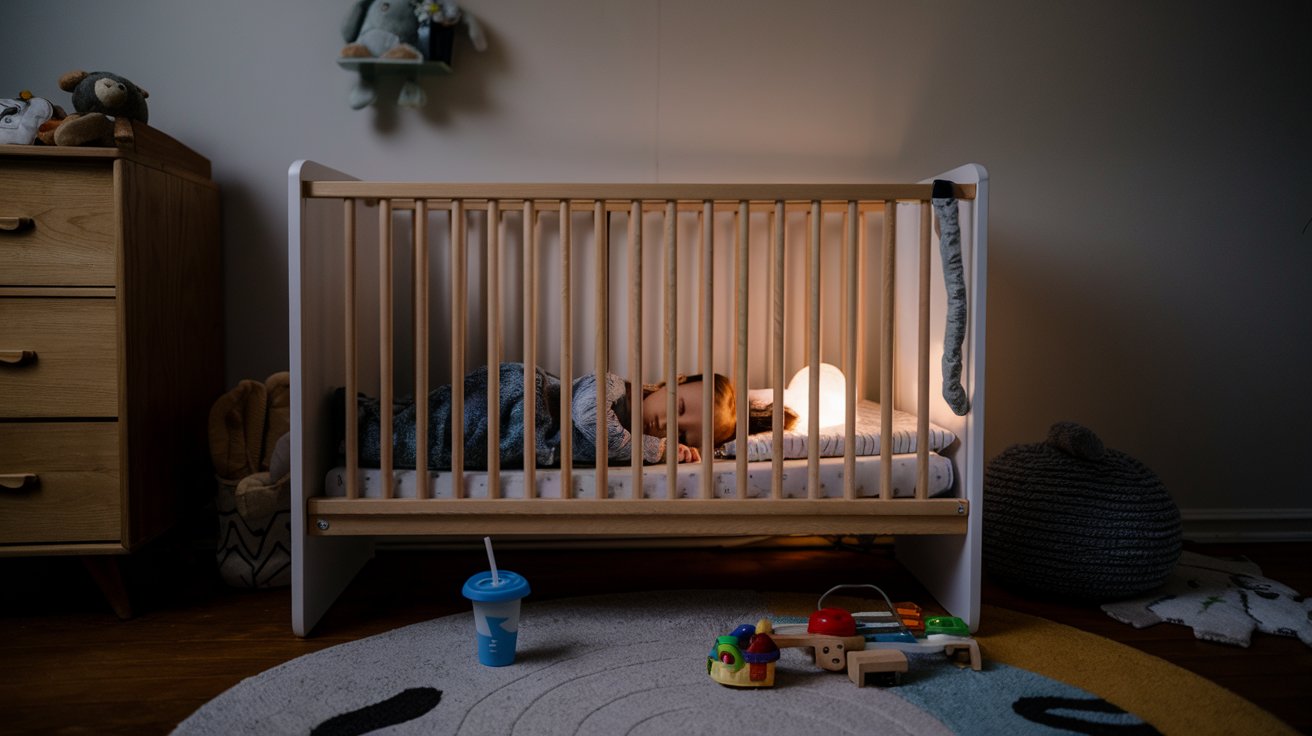
Most babies develop the ability to sit up from lying down independently between 8 to 10 months of age, though this milestone can vary significantly from child to child. Understanding this crucial developmental stage helps parents recognize normal progression and know when to seek guidance from pediatricians.
When Do Babies Typically Sit Up From Lying Down
The developmental timeline for babies learning to sit up from lying down follows a predictable pattern, though individual variations are completely normal. According to the American Academy of Pediatrics 2024 guidelines, most infants achieve this milestone between 8 to 10 months of age. This ability represents a significant advancement in core strength, balance, and motor coordination that builds upon earlier sitting milestones.
Before babies can transition from lying to sitting independently, they must first master sitting with support around 4-6 months, then sitting without support by 6-8 months. The ability to sit up from lying down requires advanced trunk control and represents one of the final steps before crawling and walking. Research from pediatric development centers shows that 90% of babies in the United States achieve this milestone by their first birthday.
Developmental Stages Leading to Independent Sitting
Understanding the progression of baby sitting development helps parents recognize each important phase. The journey begins with basic head control around 2-3 months, progresses through supported sitting, and culminates in the complex movement of transitioning from lying to sitting independently.
Early Sitting Skills (4-6 Months)
During this stage, babies develop the foundational core strength necessary for eventual independent sitting. They can sit with significant support, such as being propped against pillows or in an infant seat. Their neck and upper back muscles strengthen considerably, and they begin showing interest in remaining upright to observe their surroundings more effectively.
Unassisted Sitting (6-8 Months)
Most babies achieve the milestone of sitting without support during this period, though they may still topple over occasionally. This stage is crucial for developing the balance and coordination needed for the more complex movement of sitting up from a lying position. Parents should provide safe practice spaces with soft surfaces during this learning phase.
How Babies Learn to Sit Up From Lying Down
The process of learning to transition from lying to sitting involves complex motor planning and muscle coordination. Babies typically develop several different techniques, including rolling to their side first, then pushing up with their arms, or using a twisting motion to rotate their torso while pushing with their hands.
Side-Rolling Method
Many babies prefer the side-rolling technique when learning to sit up independently. They roll onto their side, use their bottom arm for leverage, and push themselves up to sitting position. This method often feels more natural and requires less core strength than attempting to sit straight up from lying on their back.
Direct Push-Up Method
Some babies develop the ability to push directly up from lying on their back to sitting position. This advanced movement requires significant abdominal and back muscle strength. Babies using this method often show earlier signs of advanced motor development and may reach other physical milestones ahead of schedule.
Safe Ways to Help Baby Practice Sitting Up
Parents can encourage their baby’s development through safe practice techniques that support natural progression without forcing milestones. Creating appropriate environments and using proper positioning helps babies build confidence and strength gradually while minimizing injury risk.
Creating Safe Practice Spaces
Establishing a safe practice environment involves using soft surfaces like play mats or carpeted floors, surrounding the area with pillows or cushions, and ensuring adequate supervision during practice time. Remove hard objects or sharp corners from the immediate area to prevent injuries during inevitable tumbles and falls.
Encouraging Natural Development
Support your baby’s natural sitting development by providing plenty of tummy time to strengthen core muscles, offering interesting toys at sitting level to motivate upright positioning, and allowing supervised floor time without restrictive equipment. Avoid prolonged use of baby seats or bouncers that can actually delay independent sitting skills.
When to Be Concerned About Sitting Development
While developmental timelines vary significantly, certain indicators suggest the need for pediatric consultation. Parents should consider seeking professional guidance if their baby cannot sit up from lying down by 12 months of age, shows significant asymmetry in movement patterns, or demonstrates regression in previously achieved skills.
According to 2024 pediatric development guidelines, babies who cannot achieve independent sitting by 9 months or show no progress toward this milestone by 10 months may benefit from early intervention evaluation. However, premature babies should be assessed based on their adjusted age rather than chronological age when determining appropriate developmental expectations.
Common Concerns About Early or Late Sitting
Parents frequently worry about whether their baby is developing too early or too late compared to typical milestones. Understanding normal variation helps reduce anxiety and supports appropriate developmental expectations for individual children.
Is Sitting Too Early Bad for Baby’s Spine
Research consistently shows that babies who sit early naturally do not experience spine problems or developmental issues. The concern about premature sitting relates primarily to forcing babies into sitting positions before they have adequate muscle control. When babies achieve sitting milestones independently, their spine and musculature are developmentally ready for this positioning.
Supporting Babies Who Sit Late
Babies who achieve sitting milestones later than average often catch up quickly once they begin developing these skills. Focus on providing ample opportunities for practice, ensuring adequate nutrition for muscle development, and consulting with pediatricians if concerns persist beyond 12 months of age. Many late sitters excel in other developmental areas during this time.
Connection Between Sitting and Other Milestones
The ability to sit up from lying down connects closely with other major developmental milestones, including crawling, standing, and walking. Understanding these connections helps parents recognize the broader significance of sitting development within overall motor skill progression.
Most babies who master independent sitting from lying down begin showing interest in crawling within 1-2 months. The core strength and balance developed through sitting practice directly supports these subsequent motor milestones. Additionally, babies often use sitting as a transitional position while learning to pull themselves up to standing.
Related video about when can baby sit up from lying down
This video complements the article information with a practical visual demonstration.
Frequently Asked Questions
What is the average age babies learn to sit up from lying down?
The average age for babies to sit up from lying down independently is between 8 to 10 months. However, normal development ranges from 7 to 12 months, with most babies achieving this milestone by their first birthday. Premature babies may reach this milestone based on their adjusted age rather than birth age.
Can I put my 4 month old baby in a sitting position?
At 4 months, babies can be placed in supported sitting positions with pillows, adult support, or appropriate infant seats. However, they should not be expected to sit independently or transition from lying to sitting at this age. Supervised sitting practice helps develop core strength needed for later independent sitting.
Why is my baby trying to sit up at 2 months?
Two-month-old babies often make movements that appear like sitting attempts, but this typically represents normal muscle strengthening and movement exploration rather than actual sitting attempts. These early movements help develop core strength and body awareness that will later support true sitting development around 6-8 months.
Is sitting too early bad for baby spine development?
When babies achieve sitting milestones naturally and independently, early sitting does not harm spine development. The concern relates to forcing babies into sitting positions before they have adequate muscle control. Babies who sit early on their own have developed the necessary strength and spinal stability for safe positioning.
When should I worry if my baby is not sitting up independently?
Consider consulting your pediatrician if your baby cannot sit without support by 9 months, shows no progress toward independent sitting by 10 months, or cannot sit up from lying down by 12 months. Additionally, seek guidance if your baby shows regression in previously achieved skills or significant asymmetry in movement patterns.
What’s the connection between sitting up and crawling development?
Sitting up from lying down and crawling are closely related milestones that typically develop within 1-2 months of each other. Both require similar core strength, balance, and coordination. Many babies use sitting as a transitional position while learning to move into crawling position, making independent sitting an important precursor to mobile development.
| Developmental Stage | Typical Age Range | Key Skills Developed |
|---|---|---|
| Supported Sitting | 4-6 months | Core strength, head control |
| Independent Sitting | 6-8 months | Balance, trunk stability |
| Sitting from Lying | 8-10 months | Advanced coordination, motor planning |
| Transitional Movements | 9-12 months | Preparation for crawling, standing |