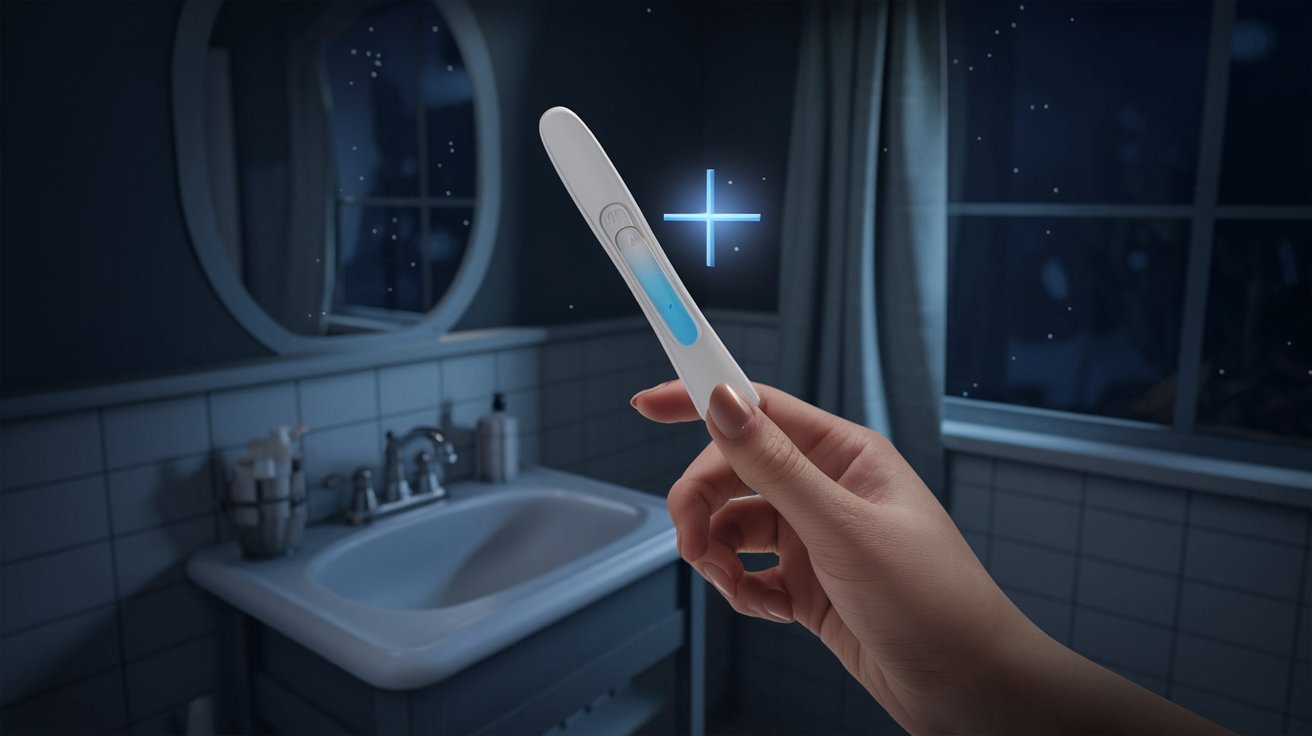
Yes, you can do a pregnancy test at night, but timing and preparation matter for accurate results. While morning urine typically contains higher hormone levels, modern pregnancy tests can detect pregnancy hormones even during nighttime hours. Understanding the best practices for nighttime testing helps ensure reliable results when you can’t wait until morning.
Can I Take a Pregnancy Test at Night?
Taking a pregnancy test at night is perfectly safe and can provide accurate results when done correctly. Modern home pregnancy tests can detect human chorionic gonadotropin (hCG) levels as low as 10-25 mIU/mL, making them sensitive enough for nighttime use. The key is ensuring you haven’t urinated for at least 4 hours before testing, allowing hCG to concentrate in your urine.
Most women choose nighttime testing due to convenience, privacy, or simply because they can’t wait until morning. According to 2024 data from the American Pregnancy Association, approximately 35% of women take their first pregnancy test during evening hours. While morning urine provides the highest hormone concentration, nighttime tests can be equally reliable if you follow proper testing protocols.
Best Time to Take a Pregnancy Test
The best time to take a pregnancy test depends on your menstrual cycle and the sensitivity of your chosen test. For optimal accuracy, test at least one day after your missed period using first morning urine, which contains the highest concentration of pregnancy hormones. However, many sensitive tests can provide accurate results 3-4 days before your expected period.
If you’re testing at night, aim for at least 4-6 hours after your last urination. This waiting period allows hCG levels to concentrate sufficiently for detection. Evening testing between 6-9 PM often works well, as most people naturally hold urine for several hours during late afternoon and early evening activities.
Morning vs Night Testing Accuracy
Morning pregnancy tests typically show higher accuracy rates due to concentrated overnight urine production. First morning urine can contain 2-3 times higher hCG levels compared to diluted daytime samples. However, nighttime tests can achieve 95-97% accuracy when taken correctly, compared to 99% accuracy for morning tests after a missed period.
Optimal Testing Windows
For the most reliable pregnancy test results, consider these timing recommendations: test 1-2 weeks after conception, at least 10-14 days post-ovulation, or 1-7 days after your missed period. Early detection tests can identify pregnancy 6 days before your missed period, but accuracy increases significantly after day one of your missed period.
How Accurate Are Pregnancy Tests at Night?
Pregnancy tests at night maintain high accuracy rates of 90-97% when used properly, though slightly lower than morning tests. The accuracy depends on several factors including test sensitivity, how long since your last urination, hydration levels, and timing relative to your menstrual cycle. High-sensitivity tests detecting 10 mIU/mL can provide reliable nighttime results.
According to 2024 clinical studies, nighttime pregnancy test accuracy increases to 98% when taken at least one week after a missed period. False negatives occur more frequently than false positives, typically due to insufficient hormone levels or excessive fluid intake diluting urine concentration throughout the day.
Tips for Taking Pregnancy Test at Night
Follow these expert tips for taking pregnancy test at night to maximize accuracy. First, avoid excessive fluid intake 2-3 hours before testing to prevent diluted urine. Hold your urine for at least 4 hours, though 6-8 hours is ideal for hormone concentration. Choose a high-sensitivity test brand with lower mIU/mL detection thresholds.
Read test instructions carefully and use clean collection methods. Test at room temperature and read results within the specified time frame, typically 3-5 minutes. Avoid reading results after 10 minutes, as evaporation lines can create false impressions. Store unused tests in cool, dry places to maintain pregnancy test effectiveness and reliability.
Preparation Steps for Nighttime Testing
Proper preparation enhances nighttime pregnancy test accuracy. Limit water intake after 3 PM if testing around 7-8 PM. Use a clean collection cup for midstream samples, and ensure your hands are clean before handling test materials. Check expiration dates and store tests at recommended temperatures between 36-86°F.
Common Nighttime Testing Mistakes
Avoid these frequent errors that affect pregnancy test results at night: testing too soon after urination, drinking excessive fluids during the day, using expired tests, reading results outside the recommended time window, and not following manufacturer instructions precisely. These mistakes can lead to false negatives or unclear results.
What to Do if Pregnancy Test is Negative at Night
A negative pregnancy test at night doesn’t definitively rule out pregnancy, especially if tested early. Wait 2-3 days and retest, preferably with first morning urine for higher hormone concentrations. If your period remains absent and you experience pregnancy symptoms, consult a healthcare provider for blood testing, which can detect lower hCG levels than home tests.
Consider that negative pregnancy test at night and positive in the morning scenarios occur frequently due to hormone level fluctuations. Late ovulation, irregular cycles, or medications can affect timing and results. Keep track of your menstrual cycle and symptoms, and don’t rely solely on one nighttime test for definitive answers.
Understanding Positive Pregnancy Test Results at Night
A positive pregnancy test at night is generally reliable and indicates pregnancy, as false positives are rare (less than 1% occurrence rate). Positive results occur when hCG levels exceed the test’s detection threshold, typically indicating pregnancy has progressed enough for hormone detection. Even faint lines usually indicate positive results.
Schedule a healthcare appointment to confirm your pregnancy through blood tests and begin prenatal care. Positive pregnancy test results at night should be followed by proper medical consultation within 1-2 weeks. Document the test date, brand, and result clarity for medical records and future reference.
Can I Take Pregnancy Test at 3AM
Yes, you can take pregnancy test at 3am if you’ve held your urine for several hours and haven’t consumed excessive fluids. Early morning hours like 3 AM actually provide concentrated urine similar to first morning samples, potentially offering good accuracy rates. This timing works well if you naturally wake during the night.
3 AM testing can be particularly effective if you went to bed around 9-10 PM without additional bathroom visits. The 5-6 hour gap allows sufficient hormone concentration for accurate pregnancy detection. However, ensure you’re fully awake and can follow instructions carefully, as drowsiness might affect proper test execution.
After How Many Days Can Pregnancy Be Confirmed by Urine Test
Pregnancy can be confirmed by urine test as early as 6-12 days after conception, depending on test sensitivity and individual hormone production rates. Most standard home pregnancy tests recommend testing after the first day of your missed period for optimal accuracy. However, early detection tests can identify pregnancy 3-6 days before your expected period.
For most women, urine pregnancy tests become reliably positive 14-21 days after conception or 4-7 days after a missed period. hCG levels double every 48-72 hours during early pregnancy, so testing too early may result in false negatives. If uncertain, wait 3-7 days and retest for more definitive results.
Clearblue and Other Brand Considerations for Night Testing
Popular brands like Clearblue pregnancy tests at night maintain their advertised accuracy rates when used correctly. Clearblue Digital tests can detect pregnancy 6 days before missed periods with 73% accuracy, increasing to over 99% after missed periods. Their sensitivity levels of 25 mIU/mL work effectively for nighttime testing when proper preparation is followed.
Other reliable brands for nighttime pregnancy testing include First Response (6.3 mIU/mL sensitivity), EPT (25 mIU/mL), and generic store brands (typically 25-50 mIU/mL). Higher sensitivity tests with lower mIU/mL thresholds perform better during nighttime hours when hormone concentrations may be lower than morning levels.
Related video about can i do a pregnancy test at night
This video complements the article information with a practical visual demonstration.
Frequently Asked Questions
How accurate are pregnancy tests at night?
Pregnancy tests at night are 90-97% accurate when used correctly, slightly lower than morning tests due to potentially diluted urine. Accuracy increases to 98% when testing at least one week after a missed period. Use high-sensitivity tests and avoid excessive fluid intake for best results.
Does peeing at night affect a pregnancy test?
Frequent urination at night can dilute hormone concentrations, potentially affecting test accuracy. For best results, hold urine for 4-6 hours before testing. If you urinate frequently due to medical conditions or excessive fluid intake, morning testing may be more reliable.
Can I get a negative test at night and positive in morning?
Yes, this scenario is common due to higher hormone concentrations in first morning urine. hCG levels can be 2-3 times higher in morning samples compared to nighttime urine, especially in early pregnancy when hormone levels are still rising rapidly.
What’s the earliest I can take a pregnancy test at night?
You can take a pregnancy test at night as early as 6 days before your expected period using high-sensitivity tests, though accuracy is lower. For reliable nighttime results, wait until at least one day after your missed period and ensure you haven’t urinated for 4-6 hours.
Should I take a pregnancy test at night if I missed my period?
Yes, if you’ve missed your period, nighttime pregnancy tests can be highly accurate. After a missed period, hormone levels are typically high enough for reliable detection even during nighttime hours. Follow proper preparation steps for best results.
How long should I hold my urine before a nighttime pregnancy test?
Hold your urine for at least 4 hours before a nighttime pregnancy test, though 6-8 hours is ideal for maximum hormone concentration. This waiting period allows hCG levels to build up sufficiently for accurate detection by home pregnancy tests.
| Testing Time | Accuracy Rate | Best Practices |
|---|---|---|
| First Morning | 99% after missed period | Use immediately upon waking |
| Night (6-9 PM) | 90-97% when prepared | Hold urine 4-6 hours, limit fluids |
| 3 AM Testing | 95-98% with preparation | Natural wake time, concentrated urine |