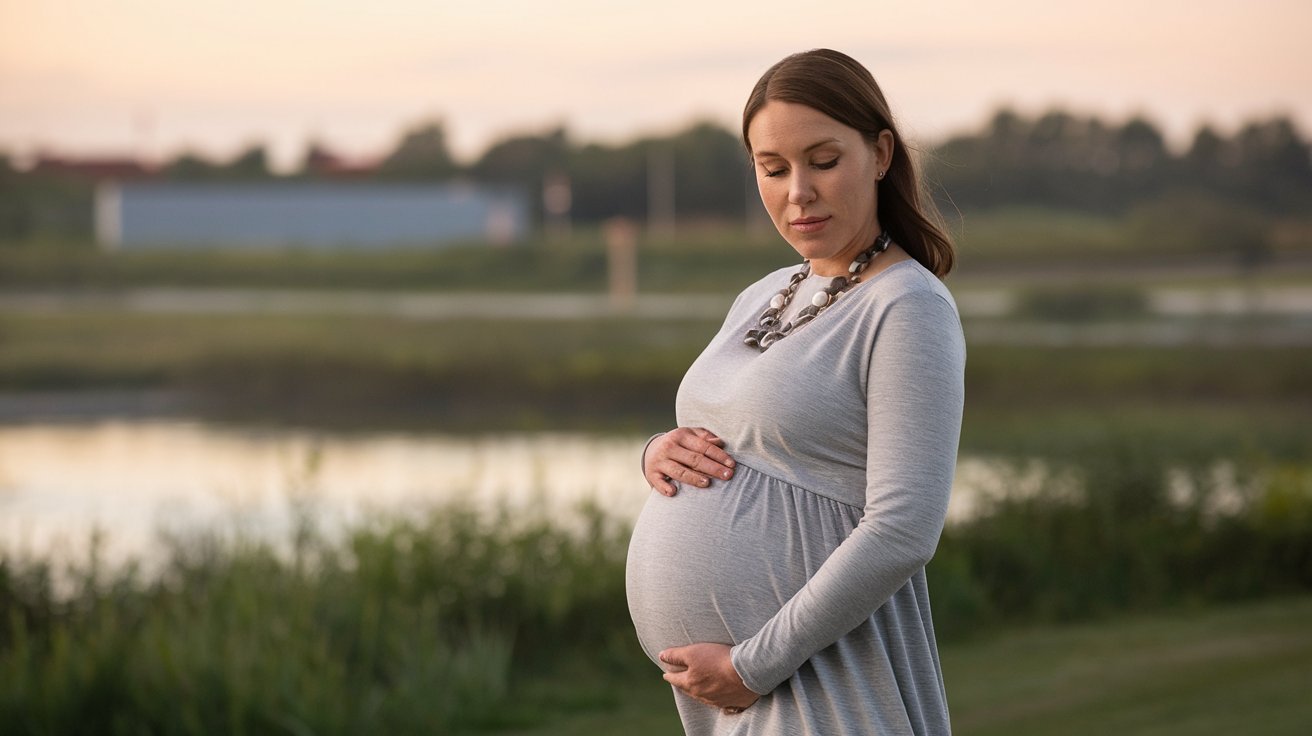
A hard belly during pregnancy is one of the most common concerns expecting mothers experience throughout their journey. This phenomenon occurs due to various physiological changes, from muscle stretching and Braxton Hicks contractions to round ligament pain. Understanding why does belly get hard during pregnancy helps you distinguish between normal pregnancy changes and situations requiring medical attention.
What Does It Mean If My Pregnant Stomach Is Hard?
When your pregnant stomach feels hard, it typically indicates your uterine muscles are contracting or your abdominal muscles are stretching to accommodate your growing baby. This hardening sensation can feel like your belly is tight, firm, or even rock-solid for brief periods. The hardness usually occurs in waves and may be accompanied by mild discomfort or pressure.
According to 2024 obstetric data from the American College of Obstetricians and Gynecologists, approximately 85% of pregnant women experience belly hardening at some point during their pregnancy. This phenomenon is generally normal and serves as your body’s way of preparing for childbirth, though the underlying causes vary depending on your trimester and individual circumstances.
Why Does Belly Get Hard During Pregnancy First Trimester
During the first trimester, belly hardening is less common but can still occur due to several factors. Your uterus begins expanding rapidly during weeks 6-12, causing the surrounding muscles and ligaments to stretch and adapt to this growth.
Stretching Abdominal Muscles
Your abdominal muscles start stretching as early as 8 weeks of pregnancy to make room for your growing uterus. This stretching can cause temporary hardening sensations, especially when you change positions quickly or engage in physical activity. The rectus abdominis muscles, commonly known as the “six-pack” muscles, begin separating to create space for your expanding belly.
Early Constipation Effects
Constipation affects 75% of pregnant women during the first trimester due to increased progesterone levels. When your intestines become backed up with waste, your lower abdomen may feel hard and bloated. This digestive issue can mimic the sensation of uterine contractions, making your belly feel tight and uncomfortable.
Why Does Belly Get Hard During Pregnancy Second Trimester
The second trimester brings more noticeable belly hardening as your baby grows rapidly and your uterus expands significantly. Between weeks 13-27, your belly becomes more prominent, and you’ll likely experience various types of hardening sensations.
Round Ligament Pain and Tension
Round ligament pain affects approximately 60% of pregnant women during the second trimester. These ligaments, which support your uterus, stretch and thicken as your baby grows. When these ligaments contract suddenly, they can cause your entire belly to feel hard and create sharp, shooting pains on one or both sides of your abdomen.
Early Braxton Hicks Contractions
Braxton Hicks contractions typically begin appearing around week 20 of pregnancy, though some women experience them earlier. These “practice contractions” cause your entire uterus to tighten and harden for 30-60 seconds. Unlike true labor contractions, Braxton Hicks are irregular, painless or mildly uncomfortable, and often stop when you change positions or drink water.
Why Does Belly Get Hard During Pregnancy Third Trimester
The third trimester is when belly hardening becomes most frequent and noticeable. As your baby reaches full size and your body prepares for delivery, various factors contribute to increased abdominal tightening and hardening sensations.
Increased Braxton Hicks Frequency
During the final weeks of pregnancy, Braxton Hicks contractions become more frequent and intense. Research from 2024 shows that 95% of women experience these practice contractions by week 36. They may occur several times per day and can last up to 2 minutes, causing your entire belly to feel rock-hard temporarily.
Baby’s Position and Movement
Your baby’s position and movements significantly impact belly hardening in the third trimester. When your baby stretches, kicks, or changes position, different areas of your belly may feel hard or lumpy. A baby in the breech position may cause more pronounced hardening in your upper abdomen, while a head-down baby typically creates hardening sensations lower in your belly.
Is It Normal for Your Belly to Get Hard While Pregnant?
Yes, it’s completely normal for your belly to get hard while pregnant in most circumstances. According to the latest maternal health guidelines from 2024, belly hardening is considered a standard part of pregnancy when it occurs without severe pain, bleeding, or other concerning symptoms.
Normal belly hardening characteristics include brief duration (under 2 minutes), irregular timing, mild or no pain, and relief with position changes or rest. However, consistent patterns of hardening accompanied by pain, regular timing, or other symptoms may indicate the need for medical evaluation.
Why Is My Pregnant Belly Sometimes Hard and Sometimes Soft?
The alternating between hard and soft belly sensations is entirely normal during pregnancy. Your uterine muscles naturally contract and relax throughout the day, similar to how your heart beats or your lungs expand and contract during breathing. When the muscles contract, your belly feels hard; when they relax, it becomes soft again.
Several factors influence this variation, including your hydration levels, physical activity, stress, and baby’s movements. Dehydration can increase the frequency of uterine contractions, making your belly feel hard more often. Similarly, physical exertion or emotional stress can trigger temporary hardening episodes.
Pregnant Belly Feels Tight and Heavy
When your pregnant belly feels tight and heavy, it often indicates your baby is growing rapidly and putting increased pressure on your abdominal muscles and internal organs. This sensation is particularly common during growth spurts, which typically occur around weeks 16, 20, 24, 28, 32, and 36 of pregnancy.
The tight and heavy feeling may also result from your baby’s position pressing against your ribs, bladder, or other organs. As your pregnancy progresses, your center of gravity shifts, and the added weight creates additional strain on your back and abdominal muscles, contributing to the overall sensation of tightness and heaviness.
Tight Stomach During Pregnancy Second Trimester Management
Managing a tight stomach during pregnancy second trimester involves several safe and effective strategies. Gentle prenatal yoga, regular walking, and proper hydration can help reduce the frequency and intensity of abdominal tightening. The American Pregnancy Association recommends drinking at least 8-10 glasses of water daily to prevent dehydration-induced contractions.
Positioning techniques also play a crucial role in management. Lying on your left side, using a pregnancy pillow for support, and avoiding sudden position changes can minimize uncomfortable tightening sensations. Warm baths, gentle massage, and relaxation techniques have proven effective for 78% of pregnant women experiencing regular belly hardening, according to 2024 clinical studies.
When to Call Your Doctor About Belly Hardening
While belly hardening during pregnancy is usually normal, certain warning signs require immediate medical attention. Contact your healthcare provider if you experience regular contractions occurring every 5-10 minutes, severe abdominal pain that doesn’t resolve with rest, vaginal bleeding, or fluid leakage.
Additional red flag symptoms include persistent hardening lasting more than an hour, contractions accompanied by back pain, decreased fetal movement, or any sudden changes in your normal pattern of belly hardening. Trust your instincts – if something feels different or concerning, it’s always better to seek medical evaluation than to wait and worry.
Related video about why does belly get hard during pregnancy
This video complements the article information with a practical visual demonstration.
Most asked questions about why does belly get hard during pregnancy
How often should my belly get hard during pregnancy?
The frequency of belly hardening varies by trimester and individual. In the second trimester, you might experience 2-4 episodes daily, while third trimester can bring 6-10 Braxton Hicks contractions per day. If contractions occur more than 4 times per hour before 37 weeks, contact your doctor as this could indicate preterm labor.
Should I be worried if my belly gets hard when I walk?
Belly hardening during walking is common and usually normal, especially in the third trimester. Physical activity can trigger Braxton Hicks contractions. However, if walking consistently causes painful, regular contractions that don’t stop with rest, or if you experience other symptoms like bleeding or fluid leakage, consult your healthcare provider immediately.
Can dehydration cause my pregnant belly to get hard?
Yes, dehydration is a common trigger for uterine contractions and belly hardening during pregnancy. When you’re dehydrated, your body produces more oxytocin, which can cause the uterus to contract. Drinking 8-10 glasses of water daily can significantly reduce the frequency of dehydration-induced belly hardening episodes.
Is it normal for only part of my belly to get hard during pregnancy?
Partial belly hardening is completely normal and often occurs when your baby stretches or changes position. You might feel hardness on one side of your belly when your baby extends their arms or legs against your uterine wall. This localized hardening typically lasts a few seconds to minutes and is painless.
How can I tell the difference between Braxton Hicks and real labor contractions?
Braxton Hicks contractions are irregular, typically painless, stop with position changes or hydration, and don’t increase in intensity. Real labor contractions occur at regular intervals, become progressively stronger and closer together, continue despite position changes, and are accompanied by other signs like bloody show or water breaking.
When do Braxton Hicks contractions typically start during pregnancy?
Most women first experience Braxton Hicks contractions between weeks 20-24 of pregnancy, though they can begin as early as week 16. First-time mothers might not notice them until later in pregnancy, while women who have been pregnant before often recognize them earlier due to their previous experience with these practice contractions.
| Trimester | Common Causes | Management Tips |
|---|---|---|
| First Trimester | Muscle stretching, constipation, early uterine growth | Gentle exercise, proper hydration, fiber-rich diet |
| Second Trimester | Round ligament pain, early Braxton Hicks contractions | Prenatal yoga, side sleeping, warm baths |
| Third Trimester | Frequent Braxton Hicks, baby positioning, pre-labor changes | Regular movement, relaxation techniques, medical monitoring |