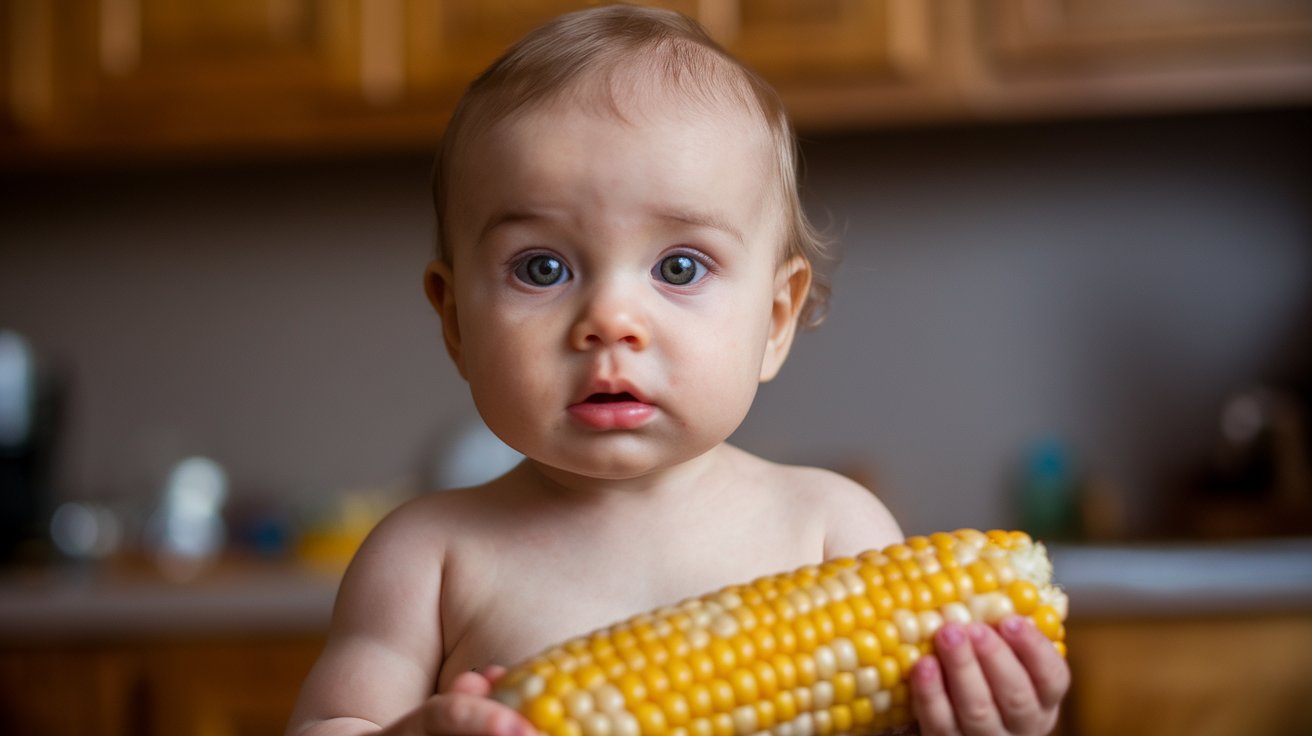
Yes, one year olds can safely eat corn when it’s prepared appropriately for their developmental stage. At 12 months, toddlers have typically developed the chewing skills needed to handle soft, small pieces of corn kernels. However, proper preparation and serving methods are crucial to prevent choking hazards and ensure your child receives the maximum nutritional benefits from this wholesome grain.
When Can Babies Start Having Corn
Most pediatricians recommend introducing corn to babies around 6-8 months of age, once they’ve started solid foods and shown readiness for finger foods. By the time your child reaches one year old, they should be well-equipped to handle corn in various forms. The American Academy of Pediatrics suggests that toddlers can digest corn more effectively after their first birthday due to improved digestive enzyme production and stronger jaw muscles for proper chewing.
At one year old, your child’s digestive system has matured enough to break down corn’s hull more efficiently. However, you may still notice corn kernels in their diaper, which is completely normal. This occurs because the outer shell of corn is made of cellulose, which humans cannot fully digest. The nutritional content is still absorbed, making corn a valuable addition to your toddler’s diet.
How to Safely Prepare Corn for One Year Olds
Safe preparation is essential when serving corn to one year olds. The key is ensuring the corn is soft enough to prevent choking while maintaining its nutritional value. Always cook corn thoroughly until it’s tender, and consider the size and texture of the pieces you’re offering based on your child’s chewing abilities.
Cutting and Serving Methods
For one year olds, cut corn kernels lengthwise to reduce the choking risk associated with whole kernels. You can also mash cooked corn slightly or serve it as corn puree mixed with other foods. Avoid serving corn on the cob to toddlers under 2 years old, as this presents a significant choking hazard. Instead, remove kernels from the cob and serve them individually after proper preparation.
Cooking Techniques for Safety
Steam or boil fresh corn kernels for 8-10 minutes until they’re completely tender. Frozen corn should be cooked according to package directions and cooled to room temperature before serving. Avoid adding salt, butter, or seasonings to corn intended for one year olds, as their kidneys are still developing and excess sodium can be harmful.
Nutritional Benefits of Corn for Toddlers
Corn provides essential nutrients that support your one year old’s growth and development. A half-cup serving of cooked corn contains approximately 2 grams of fiber, 2.5 grams of protein, and significant amounts of vitamin C, magnesium, and folate. These nutrients support immune function, bone development, and healthy digestion in growing toddlers.
The antioxidants in corn, including lutein and zeaxanthin, promote healthy eye development. Additionally, corn is naturally gluten-free, making it an excellent grain option for children with celiac disease or gluten sensitivity. The complex carbohydrates in corn provide sustained energy for active toddlers while supporting brain development during this critical growth period.
Potential Choking Hazards and Prevention
Whole corn kernels can pose choking risks for one year olds due to their size and hard texture when undercooked. The round shape and firm consistency can block a child’s airway if swallowed whole. Always supervise your child while they’re eating corn and ensure pieces are appropriately sized and softened through proper cooking.
To prevent choking, never serve popcorn to children under 4 years old, as it presents an extreme choking hazard. Raw corn kernels should also be avoided. Signs of choking include inability to cry or make sound, difficulty breathing, blue lips or skin, and grabbing at the throat. Learn infant CPR and keep emergency numbers readily available when introducing new foods.
Digestive Considerations for One Year Olds
While one year olds can digest corn, some may experience temporary digestive upset when it’s first introduced in larger quantities. Start with small portions of 1-2 tablespoons and gradually increase as your child’s system adjusts. The high fiber content in corn supports healthy bowel movements but may cause gas or loose stools if introduced too quickly.
Some toddlers may have difficulty digesting corn hulls, leading to visible corn pieces in their stool. This is normal and doesn’t indicate poor nutrition absorption. The inner kernel provides the nutritional value, while the outer hull passes through relatively unchanged. Chewing thoroughly helps break down corn more effectively, so encourage your one year old to chew slowly.
Corn Allergy Risks and Symptoms
Corn allergies in children are relatively uncommon but can occur. Symptoms may include skin rash, hives, digestive upset, or in severe cases, difficulty breathing. When introducing corn for the first time, offer a small amount and wait 3-4 days before serving it again, monitoring for any adverse reactions during this period.
Unlike some common allergens, corn is not required to be listed as a major allergen on food labels in the United States. However, corn-derived ingredients appear in many processed foods, including high fructose corn syrup, corn starch, and various food additives. If your child shows signs of corn allergy, consult your pediatrician for proper testing and dietary guidance.
Best Types of Corn for One Year Olds
Sweet corn varieties are ideal for one year olds due to their naturally tender texture and pleasant taste. Fresh corn on the cob, when properly prepared and removed from the cob, offers the best nutritional value. Frozen corn is a convenient alternative that retains most nutrients and is available year-round, making it easier to provide consistent nutrition.
Avoid canned corn for toddlers under 2 years old due to high sodium content and potential preservatives. If you must use canned corn, choose varieties labeled no salt added and rinse thoroughly before cooking. Organic corn options may reduce exposure to pesticides, though conventional corn is generally considered safe when properly washed and cooked.
Creative Corn Recipes for Toddlers
Incorporate corn into toddler-friendly meals by mixing cooked kernels into scrambled eggs, adding them to soft pasta dishes, or blending them into vegetable purees. Corn fritters made with minimal oil and no added salt can be a finger food option for more advanced eaters. Always ensure any corn-containing recipe is age-appropriate and free from choking hazards.
Simple Corn Mash Recipe
Steam 1 cup of fresh corn kernels until very tender, then lightly mash with a fork. Mix with a small amount of breast milk or formula to achieve desired consistency. This preparation method maintains nutritional value while creating a safer texture for one year olds who are still developing their chewing skills.
Corn and Vegetable Medley
Combine cooked corn kernels with steamed carrots, peas, and sweet potatoes for a nutrient-dense finger food option. Cut all vegetables into appropriate sizes and ensure they’re soft enough to mash between fingers. This combination provides variety in texture, color, and nutritional content while keeping portions manageable for small hands.
Signs Your One Year Old is Ready for Corn
Your one year old is ready for corn when they can sit upright independently, pick up small objects with their thumb and forefinger (pincer grasp), and show interest in self-feeding. They should also be able to move food around in their mouth and have developed some chewing motion, even if they don’t have many teeth yet. Most of the initial food breakdown occurs with the gums and tongue.
Look for signs of readiness including successfully eating other soft finger foods, showing curiosity about family meals, and demonstrating good head and neck control. If your child can handle small pieces of soft fruits and vegetables, they’re likely ready for properly prepared corn. Always consult your pediatrician if you have concerns about your child’s feeding development or readiness for new foods.
Related video about can a one year old have corn
This video complements the article information with a practical visual demonstration.
What you should know
Can you give corn to a 1 year old?
Yes, you can safely give corn to a 1 year old when it’s properly prepared. Cook corn kernels until very tender and cut them lengthwise to reduce choking risk. Start with small portions and always supervise your child while eating. Avoid corn on the cob and popcorn for children under 2-4 years old respectively.
Do toddlers digest corn?
Toddlers can digest corn, though you may notice corn pieces in their diaper due to the indigestible outer hull. The nutritional content inside the kernel is absorbed properly. One year olds have better digestive capabilities than younger babies, making corn easier to process at this age.
Is corn a choking hazard for 1 year olds?
Whole corn kernels can be a choking hazard for 1 year olds due to their size and shape. Reduce this risk by cutting kernels lengthwise, cooking until very soft, and ensuring proper supervision during meals. Never give popcorn to children under 4 years old as it poses extreme choking risks.
How should I prepare corn for my 1 year old?
Steam or boil corn kernels for 8-10 minutes until completely tender. Cut kernels lengthwise or lightly mash them to prevent choking. Remove all kernels from the cob before serving and avoid adding salt, butter, or seasonings. Start with 1-2 tablespoons and gradually increase portion sizes.
What are the benefits of corn for 1 year olds?
Corn provides essential nutrients including fiber, protein, vitamin C, magnesium, and folate that support growth and development. It contains antioxidants for eye health, offers sustained energy from complex carbohydrates, and is naturally gluten-free. The nutrients support immune function, bone development, and healthy digestion in toddlers.
Can babies have corn kernels at 12 months?
Yes, 12-month-old babies can have corn kernels when properly prepared. At this age, they have developed sufficient chewing skills and digestive capabilities. Always cook kernels until tender, cut them appropriately, and supervise eating. Introduce gradually and watch for any signs of digestive upset or allergic reactions.
| Age Milestone | Preparation Method | Safety Benefit |
|---|---|---|
| 12+ months | Cut kernels lengthwise, cook until tender | Prevents choking, ensures digestibility |
| First introduction | Start with 1-2 tablespoons | Allows digestive system adjustment |
| Ongoing feeding | Steam 8-10 minutes, no seasonings | Maintains nutrients, protects kidneys |