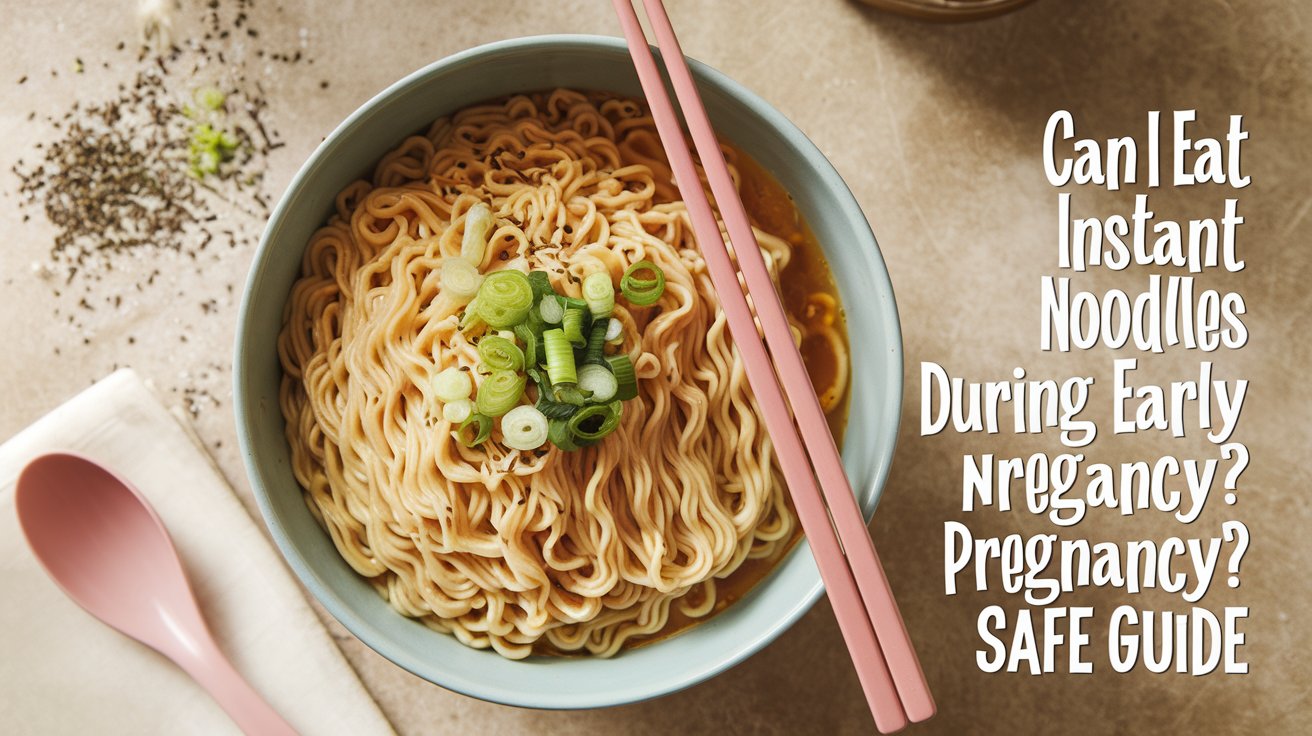
Many expectant mothers wonder if they can safely eat instant noodles during early pregnancy. While occasional consumption is generally considered safe, there are important nutritional and safety considerations to keep in mind. This comprehensive guide explores the safety of instant noodles during pregnancy, addressing concerns about MSG, sodium content, and providing healthier alternatives for expecting mothers in the United States.
Are Instant Noodles Safe During Early Pregnancy?
Instant noodles can be consumed occasionally during early pregnancy, but they should not become a dietary staple. The primary concerns include high sodium content, preservatives, and limited nutritional value. According to the American College of Obstetricians and Gynecologists, processed foods like instant noodles lack essential nutrients needed during pregnancy such as folic acid, iron, and calcium.
During the first trimester of pregnancy, your body requires increased nutrients to support fetal development. Instant noodles typically contain 800-1,200mg of sodium per serving, which is concerning since pregnant women should limit sodium intake to prevent hypertension and excessive water retention. However, having instant noodles once or twice a week is unlikely to cause harm when part of an otherwise balanced diet.
Nutritional Concerns with Instant Noodles
The main nutritional issues with instant noodles during pregnancy include their high refined carbohydrate content and lack of protein, healthy fats, and essential vitamins. Most instant noodle brands contain only 4-6 grams of protein per serving, far below the 71 grams daily recommended for pregnant women. Additionally, the high glycemic index can cause blood sugar spikes, which is particularly concerning for women at risk of gestational diabetes.
Processing and Preservative Concerns
Processed foods like instant noodles contain various preservatives and additives that may not be ideal during pregnancy. Common preservatives include sodium benzoate and potassium sorbate, which are generally recognized as safe by the FDA but provide no nutritional benefit. The deep-frying process used in manufacturing also creates trans fats, which should be minimized during pregnancy for optimal fetal development.
Understanding MSG and Pregnancy Safety
MSG (monosodium glutamate) during pregnancy is a common concern among expectant mothers. The FDA has classified MSG as generally recognized as safe, and current research shows no evidence that MSG consumption during pregnancy causes birth defects or developmental issues. However, some individuals may experience sensitivity symptoms like headaches or nausea, which could be more pronounced during pregnancy due to hormonal changes.
Studies conducted by the FDA and independent research institutions have found that MSG consumption during the first trimester does not increase the risk of neural tube defects or other congenital abnormalities. The typical MSG content in instant noodles ranges from 0.1-0.8 grams per serving, which is well below levels that might cause adverse reactions in sensitive individuals.
MSG Sensitivity During Pregnancy
While MSG is generally safe during pregnancy, hormonal changes may make some women more sensitive to its effects. Symptoms of MSG sensitivity include mild headaches, flushing, or temporary nausea. If you experience these symptoms after consuming instant noodles, consider choosing MSG-free varieties or reducing your intake frequency.
Natural Sources of Glutamate
It’s worth noting that glutamate occurs naturally in many foods considered healthy during pregnancy, including tomatoes, cheese, mushrooms, and breast milk. The glutamate in MSG is chemically identical to naturally occurring glutamate, making the synthetic version no more harmful than these natural sources when consumed in moderation.
Managing Instant Noodle Cravings During Pregnancy
Craving instant noodles during pregnancy is common due to their salty, savory flavor profile that many pregnant women find appealing. These cravings often intensify during the first trimester when taste preferences change dramatically. Rather than completely avoiding instant noodles, focus on making them more nutritious and limiting consumption frequency.
When you do choose to eat instant noodles during early pregnancy, consider adding protein sources like eggs, cooked chicken, or tofu to increase nutritional value. Adding fresh or frozen vegetables can boost vitamin and mineral content while providing additional fiber for digestive health.
Popular Instant Noodle Brands and Pregnancy Considerations
Maggi noodles during pregnancy follow the same safety guidelines as other instant noodle brands. Maggi contains similar levels of sodium, MSG, and preservatives as competing brands. The key is moderation regardless of brand choice. Top Ramen, Cup Noodles, and other popular brands in the United States contain comparable nutritional profiles with minor variations in sodium and MSG content.
When selecting instant noodles during pregnancy, read nutrition labels carefully. Some brands offer reduced-sodium varieties or options without MSG, which may be preferable for pregnant women. Organic and natural instant noodle brands are increasingly available in US supermarkets and often contain fewer artificial preservatives and additives.
Healthier Instant Noodle Alternatives
Consider healthier instant noodle options such as whole grain varieties, rice noodle soups, or ramen made with real bone broth. These alternatives often provide better nutritional profiles with higher fiber content and fewer artificial additives. Many health food stores now carry instant noodles made with organic ingredients and reduced sodium content.
Reading Nutrition Labels Effectively
When choosing instant noodles during pregnancy, prioritize products with less than 600mg sodium per serving, minimal trans fats, and added vitamins or minerals. Look for varieties fortified with folic acid or iron, which are particularly important during pregnancy. Avoid products containing artificial colors or excessive preservatives when possible.
Safe Consumption Guidelines for Pregnant Women
Healthcare professionals recommend that instant noodles be consumed no more than 1-2 times per week during pregnancy. This frequency allows you to satisfy occasional cravings while minimizing exposure to high sodium levels and processed ingredients. Always prepare instant noodles with plenty of water to help dilute sodium content and aid in proper hydration.
To make instant noodles safer during pregnancy, use only half the seasoning packet to reduce sodium intake, add fresh vegetables for nutrients, and include a protein source. Drinking extra water after consuming instant noodles helps flush excess sodium from your system and supports healthy kidney function during pregnancy.
Nutritional Benefits and Improvements
While instant noodles aren’t nutritionally dense, there are benefits of noodles in pregnancy when prepared thoughtfully. Adding vegetables like spinach, carrots, and bell peppers provides essential vitamins A and C, while incorporating eggs adds high-quality protein and choline for fetal brain development. These modifications transform a simple processed food into a more balanced meal.
Some instant noodle preparations can provide quick energy during pregnancy, which is helpful when experiencing morning sickness and struggling to keep other foods down. The warm, comforting nature of noodle soup can also help with nausea, making it easier to maintain adequate caloric intake during challenging periods of early pregnancy.
Protein Enhancement Strategies
To maximize the nutritional value of instant noodles, add lean protein sources such as cooked chicken breast, hard-boiled eggs, or tofu. These additions help meet the increased protein requirements during pregnancy and can make the meal more satisfying, potentially reducing the urge to consume additional processed snacks.
Vegetable Integration Methods
Incorporating fresh vegetables into instant noodles significantly improves their nutritional profile. Quick-cooking vegetables like baby spinach, bean sprouts, or frozen mixed vegetables can be added during the final minutes of cooking. These additions provide fiber, vitamins, and minerals essential for healthy fetal development.
When to Avoid Instant Noodles During Pregnancy
Certain pregnancy conditions warrant avoiding instant noodles entirely. Women with gestational hypertension or preeclampsia should avoid high-sodium foods like instant noodles. Similarly, those diagnosed with gestational diabetes should limit refined carbohydrates and opt for whole grain alternatives with lower glycemic impact.
If you experience severe morning sickness or hyperemesis gravidarum, instant noodles may worsen symptoms due to their high sodium and MSG content. In these cases, focus on bland, easily digestible foods recommended by your healthcare provider. Always consult your obstetrician before making significant dietary changes during pregnancy.
Related video about can i eat instant noodles during early pregnancy
This video complements the article information with a practical visual demonstration.
Essential Q&A about can i eat instant noodles during early pregnancy
Is it safe to eat instant noodles during early pregnancy?
Yes, instant noodles can be safely consumed occasionally during early pregnancy. However, limit intake to 1-2 times per week due to high sodium content and limited nutritional value. Always add vegetables and protein to improve nutritional quality and consult your healthcare provider about your specific dietary needs.
Can MSG in instant noodles harm my baby during pregnancy?
Current research shows that MSG consumption during pregnancy does not cause birth defects or developmental problems. The FDA considers MSG safe for pregnant women. However, some may experience sensitivity symptoms like headaches. If you notice adverse reactions, choose MSG-free varieties or reduce consumption frequency.
How can I make instant noodles healthier during pregnancy?
To make instant noodles healthier, use only half the seasoning packet to reduce sodium, add fresh vegetables like spinach or carrots for vitamins, include protein sources such as eggs or cooked chicken, and drink plenty of water. These modifications significantly improve the nutritional value of the meal.
What are the main risks of eating too many instant noodles while pregnant?
The main risks include excessive sodium intake leading to water retention and elevated blood pressure, inadequate nutrition for fetal development, potential blood sugar spikes, and insufficient protein intake. These risks are primarily associated with frequent consumption rather than occasional eating as part of a balanced diet.
Are there better alternatives to instant noodles during pregnancy?
Yes, healthier alternatives include whole grain pasta with homemade sauce, rice noodle soups with fresh vegetables, ramen made with real bone broth, or instant noodles specifically formulated with reduced sodium and added nutrients. These options provide better nutritional profiles while satisfying similar cravings.
Should I avoid instant noodles if I have gestational diabetes?
Women with gestational diabetes should limit refined carbohydrates like those in instant noodles due to their high glycemic index. If consumed, pair with protein and vegetables to slow glucose absorption, use minimal seasoning, and monitor blood sugar levels. Consult your healthcare provider for personalized dietary guidance.
| Safety Aspect | Recommendation | Benefit |
|---|---|---|
| Consumption Frequency | 1-2 times per week maximum | Prevents excessive sodium intake |
| MSG Content | Generally safe, choose MSG-free if sensitive | Reduces potential sensitivity reactions |
| Nutritional Enhancement | Add vegetables and protein sources | Improves vitamin and mineral intake |
| Sodium Reduction | Use half seasoning packet | Prevents water retention and hypertension |
| Special Conditions | Avoid with gestational hypertension or diabetes | Prevents complications and manages conditions |