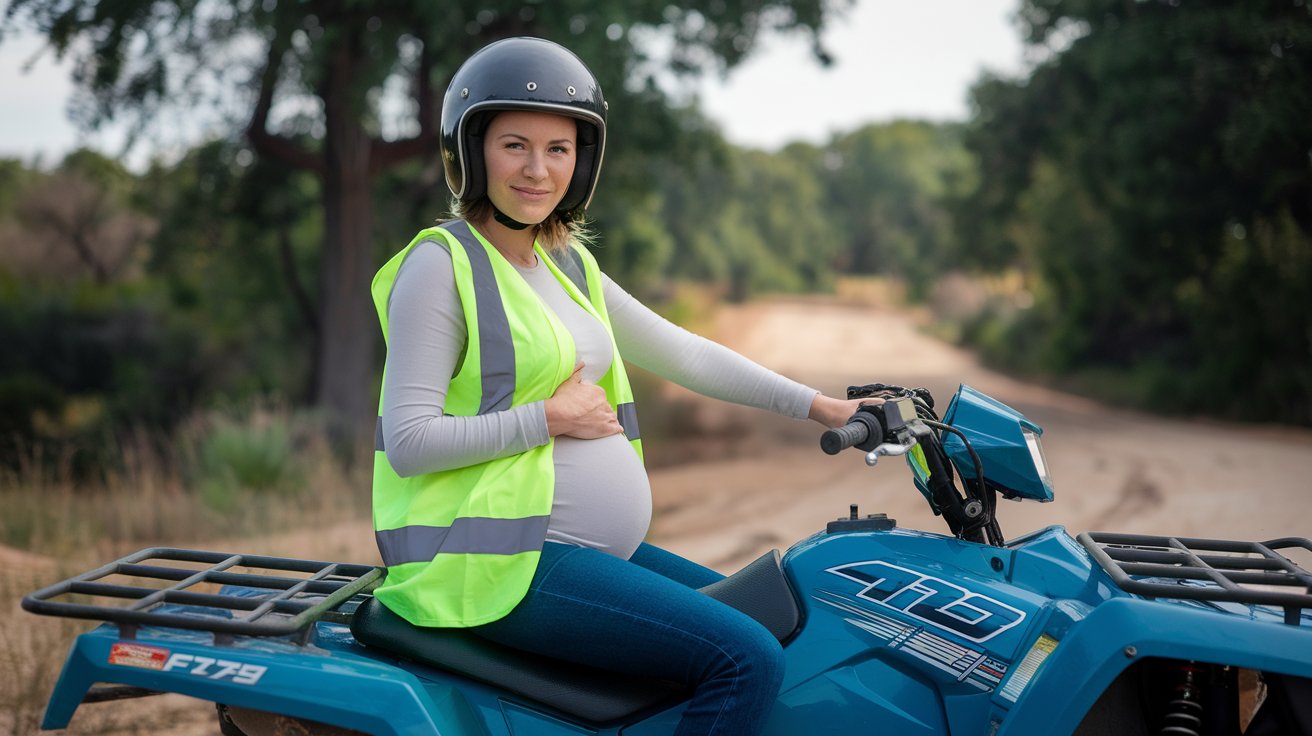
The question of whether you can ride a four wheeler while pregnant is complex and requires careful consideration of multiple safety factors. Most medical professionals strongly advise against riding ATVs during pregnancy due to significant risks including falls, abdominal trauma, and potential complications that could harm both mother and baby. Understanding these risks and exploring safer alternatives is crucial for expectant mothers who enjoy outdoor recreational activities.
Medical Risks of Four Wheeler Riding During Pregnancy
Healthcare providers consistently recommend avoiding four wheeler riding while pregnant due to numerous medical risks. The American College of Obstetricians and Gynecologists (ACOG) specifically warns against recreational activities with high risk of falls or abdominal trauma. Studies from 2024 show that ATV accidents during pregnancy can result in placental abruption, premature labor, and in severe cases, pregnancy loss.
The vibrations and jolting motions associated with four wheeler riding can potentially affect fetal development, particularly during the first trimester when organ formation is critical. Additionally, the physical demands of controlling an ATV, including balance and core strength requirements, become more challenging as pregnancy progresses and the center of gravity shifts.
First Trimester Considerations
During the first trimester, many women wonder if they can continue their regular activities, including ATV riding. Medical experts emphasize that this period involves crucial fetal development, and any trauma could have serious consequences. The risk of miscarriage from bumpy rides and vibrations is a primary concern, as the embryo is most vulnerable during weeks 6-12 of pregnancy.
Second and Third Trimester Risks
As pregnancy progresses into the second and third trimesters, the risks associated with four wheeler riding increase significantly. The growing uterus becomes more susceptible to trauma, and balance issues become more pronounced. Research from 2024 indicates that falls during the third trimester can lead to premature labor and placental complications that require immediate medical intervention.
Alternative Activities for Pregnant Women
Instead of riding four wheelers while pregnant, expectant mothers can enjoy numerous safer outdoor activities. Walking, swimming, and prenatal yoga provide excellent exercise without the risks associated with ATV riding. Many recreational vehicle enthusiasts find that side-by-side vehicles with proper safety restraints offer a compromise, though medical consultation is still recommended.
Hiking on well-maintained trails, stationary cycling, and water aerobics are excellent alternatives that provide cardiovascular benefits without the jarring motions of off-road vehicles. These activities allow pregnant women to maintain their connection with outdoor recreation while prioritizing maternal and fetal safety.
Understanding ATV Safety Statistics
According to 2024 data from the Consumer Product Safety Commission, ATV accidents result in over 100,000 emergency room visits annually in the United States. Among these incidents, approximately 15% involve serious injuries that would be particularly dangerous for pregnant women. The fatality rate for ATV accidents remains at 1.4 deaths per 100,000 registered vehicles, highlighting the inherent risks of this recreational activity.
Pregnancy-related ATV accidents often result in more severe outcomes due to the physiological changes occurring in the mother’s body. Emergency medical response for pregnant riders requires specialized protocols, and rural areas where ATVs are commonly used may have limited access to obstetric care.
Accident Types and Pregnancy Complications
The most common ATV accident types include rollovers, collisions with fixed objects, and falls from the vehicle. For pregnant women, these incidents can cause blunt abdominal trauma, which may lead to placental abruption, uterine rupture, or preterm labor. Medical studies show that even minor ATV accidents can trigger pregnancy complications requiring hospitalization.
Recovery and Medical Intervention
Recovery from ATV-related injuries during pregnancy often involves extended hospitalization and intensive monitoring. Fetal monitoring equipment is typically required for 24-48 hours following any abdominal trauma, and cesarean delivery may become necessary if complications arise. The emotional and financial costs of such incidents extend well beyond the initial injury.
Professional Medical Recommendations
Obstetricians and maternal-fetal medicine specialists universally recommend against four wheeler riding during any stage of pregnancy. The American Pregnancy Association updated their guidelines in 2024 to specifically address recreational vehicle use, emphasizing that no trimester is considered safe for ATV operation. This recommendation extends to passenger riding as well.
Healthcare providers stress that pregnancy is not the time to take unnecessary risks, regardless of previous experience with ATVs. Even skilled riders face increased dangers due to pregnancy-related changes in balance, reaction time, and physical coordination. Professional medical advice consistently prioritizes maternal and fetal safety over recreational activities.
Legal and Insurance Implications
Many insurance policies have specific exclusions for high-risk activities during pregnancy, potentially leaving families financially responsible for accident-related medical expenses. Some states have considered legislation requiring additional safety warnings for pregnant ATV operators, reflecting growing awareness of the associated risks.
Legal liability issues may also arise if pregnant women continue ATV riding against medical advice and complications occur. Insurance coverage for pregnancy complications resulting from recreational vehicle accidents may be limited or denied entirely, creating additional financial stress for affected families.
Documentation Requirements
Insurance companies increasingly require medical clearance documentation for pregnant women participating in recreational activities. This trend reflects the industry’s recognition of increased risks and potential costs associated with pregnancy-related ATV accidents. Proper documentation helps ensure coverage while encouraging safer decision-making.
State Regulations and Safety Requirements
Several states have implemented enhanced safety regulations for ATV operation, with some specifically addressing pregnant riders. These regulations often require additional safety equipment and training, though most medical professionals still recommend avoiding ATV use entirely during pregnancy regardless of safety precautions.
Family Planning and Future ATV Enjoyment
Temporarily avoiding four wheeler riding while pregnant doesn’t mean permanently giving up this recreational activity. Many families find that taking a break during pregnancy and early postpartum period allows them to focus on family health while planning future outdoor adventures. Post-pregnancy return to ATV riding should be discussed with healthcare providers and typically requires medical clearance.
Planning family-friendly alternatives during pregnancy can strengthen relationships and create new traditions. Many expectant parents use this time to explore gentler outdoor activities that can eventually include children, such as nature walks, camping, and scenic driving. These activities provide family bonding opportunities while maintaining connections to outdoor recreation.
Related video about can you ride a four wheeler while pregnant
This video complements the article information with a practical visual demonstration.
Your questions answered
Can riding a four wheeler cause a miscarriage?
Yes, riding a four wheeler can potentially cause miscarriage due to the risk of falls, abdominal trauma, and severe jolting motions. Medical professionals strongly advise against ATV riding during pregnancy as even minor accidents can trigger serious complications including placental abruption and pregnancy loss.
Is it safe to ride in a side-by-side vehicle while pregnant?
Side-by-side vehicles are generally considered safer than ATVs due to protective structures and seat belts, but medical consultation is still recommended. While slightly safer, these vehicles still pose risks from rough terrain and potential rollover accidents that could harm both mother and baby.
Can bumpy roads cause miscarriage in early pregnancy?
Normal bumpy roads during regular driving are generally not dangerous for pregnancy. However, extreme jolting and vibrations from off-road vehicles like four wheelers pose significantly higher risks and can potentially trigger complications including miscarriage, particularly during the vulnerable first trimester.
What activities should pregnant women avoid completely?
Pregnant women should avoid activities with high fall risk, abdominal trauma potential, or extreme physical demands. This includes four wheeler riding, contact sports, downhill skiing, horseback riding, scuba diving, and amusement park rides. Hot tubs, saunas, and hot yoga should also be avoided due to overheating risks.
When can I return to ATV riding after pregnancy?
Return to ATV riding should only occur after medical clearance from your healthcare provider, typically 6-8 weeks postpartum for vaginal delivery or 8-12 weeks after cesarean delivery. Physical recovery, core strength restoration, and breastfeeding considerations all factor into the timing of safe return to recreational vehicle activities.
Are there any safe alternatives to four wheeler riding during pregnancy?
Safe alternatives include walking, swimming, prenatal yoga, stationary cycling, and hiking on maintained trails. These activities provide exercise and outdoor enjoyment without the risks associated with ATV riding. Some pregnant women enjoy scenic driving or camping as ways to stay connected with outdoor recreation safely.
| Safety Aspect | Risk Level | Safer Alternative |
|---|---|---|
| Four Wheeler Riding | High Risk – Not Recommended | Walking or Swimming |
| Side-by-Side Vehicles | Medium Risk – Consult Doctor | Scenic Driving |
| First Trimester Activities | Critical Development Period | Prenatal Yoga |
| Third Trimester Balance | Significantly Impaired | Stationary Exercise |
| Post-Pregnancy Return | Requires Medical Clearance | Gradual Activity Increase |