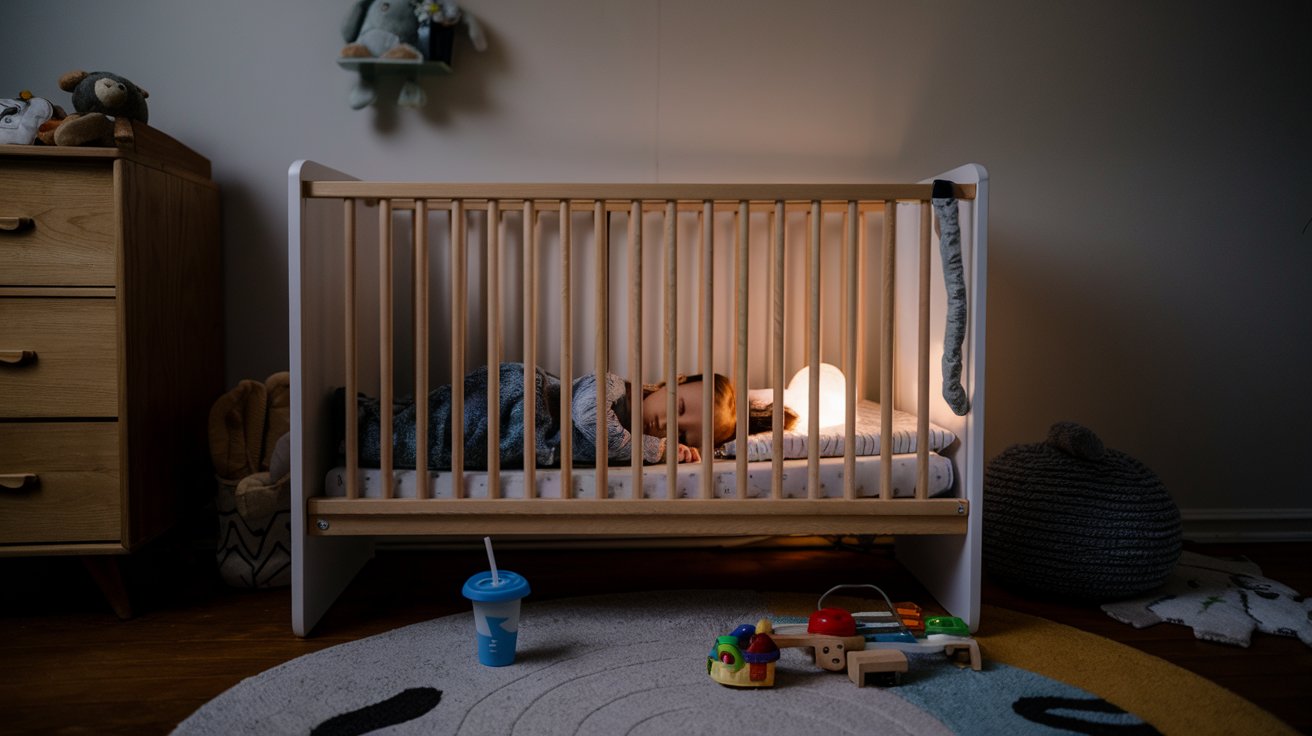
At 7 weeks old, your baby can typically go 4-5 hours between feeds during the day and potentially 6-7 hours at night without eating. This represents a significant milestone as your infant’s stomach capacity increases and sleep patterns begin to mature. Understanding safe feeding intervals helps ensure proper nutrition while allowing both baby and parents much-needed rest.
Safe Feeding Intervals for 7 Week Old Babies
A 7 week old baby can safely go 4-5 hours between feeds during daytime hours and up to 6-7 hours overnight without eating. This is considerably longer than newborns, who typically need feeding every 2-3 hours. At 7 weeks, your baby’s stomach can hold approximately 3-4 ounces of milk, allowing for longer periods between meals.
However, these intervals can vary significantly based on whether your baby is breastfed or formula-fed. Formula-fed babies often go longer between feeds as formula takes more time to digest, while breastfed infants may still need more frequent feeding due to breast milk’s easier digestibility. Never exceed 8 hours without feeding a 7-week-old baby, even during sleep.
Factors That Influence Feeding Frequency at 7 Weeks
Several critical factors determine how long your 7 week old can go without eating safely. Birth weight plays a crucial role – babies born under 6 pounds may need more frequent feeds than larger infants. Premature babies, even at 7 weeks corrected age, often require feeding every 3-4 hours maximum.
Growth spurts significantly impact feeding patterns around this age. During rapid growth periods, your baby may demand feeds every 2-3 hours again, even after establishing longer intervals. Individual metabolism, activity level, and overall health status also influence how frequently your infant needs nutrition to maintain proper growth and development.
Breastfeeding vs Formula Feeding Differences
Breastfed 7 week olds typically need feeding every 3-4 hours during the day and may go 5-6 hours at night. Breast milk digests faster than formula, requiring more frequent feeding. Formula-fed babies at 7 weeks can often stretch to 4-5 hours between daytime feeds and 6-7 hours overnight, as formula provides longer satiation.
Weight Gain and Growth Considerations
Your pediatrician monitors weight gain to ensure safe feeding intervals for your 7 week old. Babies should gain approximately 1-2 ounces per day during this period. If weight gain is adequate, longer stretches between feeds are generally acceptable. Poor weight gain may indicate the need for more frequent feeding schedules.
Nighttime Sleep and Feeding Schedules
At 7 weeks, many babies begin developing more mature sleep patterns, allowing for longer stretches without eating at night. Most 7 week olds can sleep for 6-8 hours consecutively during their longest nighttime sleep period. This represents a significant improvement from the newborn stage when feeding was required every 2-3 hours around the clock.
Establishing a consistent bedtime routine helps extend these overnight fasting periods. However, some babies may still wake for one nighttime feed, which is completely normal. Never force longer sleep periods if your baby consistently wakes hungry – their individual needs should guide the schedule rather than predetermined expectations.
When to Wake Your Baby for Feeds
Generally, you don’t need to wake a 7 week old baby who is gaining weight appropriately and sleeping peacefully. However, if your infant has lost weight, is premature, or has medical concerns, your pediatrician may recommend waking for feeds every 4-5 hours maximum, even during sleep.
Signs Your Baby Needs More Frequent Feeding
Watch for indicators that your 7 week old may need more frequent feeds: excessive fussiness, poor weight gain, fewer wet diapers (less than 6 per day), lethargy, or difficulty waking for feeds. These signs suggest your current feeding schedule may need adjustment to ensure adequate nutrition.
Recognizing Hunger and Fullness Cues
Understanding your 7 week old’s hunger cues is essential for determining appropriate feeding intervals. Early hunger signs include increased alertness, rooting behaviors, hand-to-mouth movements, and soft fussing sounds. Waiting for crying often means your baby is overly hungry, which can make feeding more difficult.
Fullness cues are equally important – babies at 7 weeks will typically release the nipple, close their mouth when offered food, or fall asleep during feeding when satisfied. Recognizing these signals helps prevent overfeeding while ensuring your infant gets adequate nutrition during their safe intervals between feeds.
Warning Signs and When to Seek Help
While 7 week olds can generally go longer between feeds safely, certain warning signs require immediate medical attention. Contact your pediatrician if your baby shows extreme lethargy, difficulty waking for feeds, fewer than 6 wet diapers in 24 hours, signs of dehydration, or significant weight loss.
Additionally, if your baby goes longer than 8 hours without eating, even during sleep, consult your healthcare provider. Persistent refusal to eat, vomiting after feeds, or unusual behavioral changes also warrant professional evaluation to ensure your infant’s health and proper nutrition.
Transitioning to Longer Feeding Intervals
The transition to longer feeding intervals at 7 weeks should happen gradually and naturally. Many babies begin extending their sleep periods and time between feeds without parental intervention. Support this natural progression by maintaining consistent routines, ensuring adequate daytime nutrition, and responding appropriately to your baby’s individual cues.
Remember that regression is normal – growth spurts, developmental leaps, or minor illnesses may temporarily require more frequent feeding. Flexibility in your approach while maintaining awareness of safe feeding intervals ensures optimal nutrition and healthy development for your 7-week-old infant.
Comparison with Other Ages
Understanding how 7 week feeding intervals compare to other ages provides helpful context. Newborns typically need feeding every 2-3 hours, while 8 week olds may extend to 5-6 hours between feeds. By 3 months old, many babies can go 6-8 hours overnight without eating, showing continued maturation of feeding patterns.
A 2 month old baby (8-9 weeks) often demonstrates even more predictable feeding schedules, with longer daytime intervals and consistent overnight sleep periods. This progression shows normal infant development and helps parents understand what to expect as their baby grows and matures.
Related video about how long can a 7 week old go without eating
This video complements the article information with a practical visual demonstration.
FAQ – Common Questions
How long can 7 week olds go between feeds safely?
A 7 week old can safely go 4-5 hours between feeds during the day and 6-7 hours at night. This interval depends on whether the baby is breastfed or formula-fed, with formula-fed babies typically going slightly longer between feeds due to slower digestion.
Is it okay for my 7 week old to sleep 10 hours without eating?
Sleeping 10 hours without eating is generally too long for a 7 week old baby. While they can go 6-7 hours overnight, exceeding 8 hours without feeding may lead to dehydration and inadequate nutrition. Consult your pediatrician if this occurs regularly.
When should I wake my 7 week old baby to eat?
You typically don’t need to wake a healthy, weight-gaining 7 week old for feeds. However, wake your baby if they’ve gone more than 8 hours without eating, are losing weight, were premature, or if your pediatrician has recommended specific feeding intervals.
How do I know if my 7 week old is getting enough nutrition?
Signs of adequate nutrition include steady weight gain (1-2 ounces daily), at least 6 wet diapers per day, regular bowel movements, alertness when awake, and contentment between feeds. Your pediatrician will monitor growth curves during regular check-ups.
Can growth spurts affect how long my 7 week old goes without eating?
Yes, growth spurts can significantly impact feeding patterns. During these periods, your 7 week old may temporarily need more frequent feeds every 2-3 hours, even after establishing longer intervals. This increased appetite typically lasts 2-3 days before returning to normal patterns.
What’s the difference between day and night feeding intervals for 7 week olds?
During the day, 7 week olds typically feed every 4-5 hours, while nighttime intervals can extend to 6-7 hours. This difference reflects developing circadian rhythms and the natural tendency for longer sleep periods during night hours.
| Age | Safe Feeding Interval | Maximum Overnight |
|---|---|---|
| 7 Week Old | 4-5 hours (day) | 6-7 hours |
| 8 Week Old | 5-6 hours (day) | 7-8 hours |
| 3 Month Old | 6-7 hours (day) | 8-10 hours |