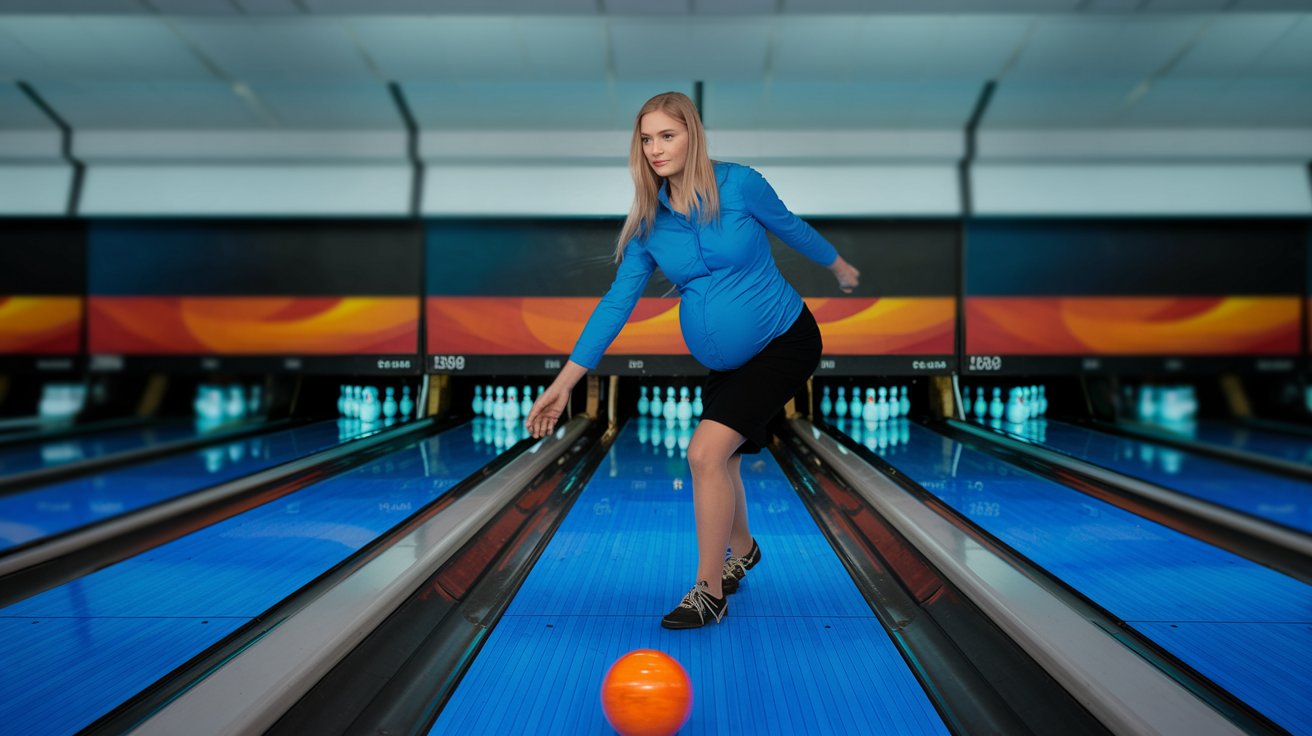
Many pregnant women wonder whether bowling during pregnancy is safe for both mother and baby. The good news is that bowling can be a safe, low-impact activity during pregnancy when proper precautions are taken. Most healthcare providers consider bowling while pregnant acceptable, especially during the first and second trimesters, as long as you follow essential safety guidelines and listen to your body’s signals.
Safety of Bowling During Pregnancy by Trimester
The safety of bowling while pregnant varies significantly depending on which trimester you’re in. During the first trimester, bowling is generally considered safe for most women, as your center of gravity hasn’t shifted dramatically yet. The risk of falling or losing balance remains relatively low during these early weeks of pregnancy.
Second trimester bowling requires more caution as your belly grows and your center of gravity begins to shift. While many women can still bowl safely during this period, it’s crucial to use lighter bowling balls and take frequent breaks. Your balance may start to feel different, making it important to be extra careful when approaching the lane and releasing the ball.
First Trimester Bowling Considerations
During the first trimester, most pregnant women can continue bowling with minimal modifications. Your body hasn’t undergone significant physical changes that would affect balance or coordination. However, fatigue and morning sickness may impact your ability to enjoy the activity. It’s essential to stay hydrated and take breaks when needed, as pregnancy can cause increased tiredness even during light physical activities.
Second and Third Trimester Modifications
As you progress into the second and third trimesters, bowling requires more careful consideration. Your growing belly shifts your center of gravity forward, potentially affecting your balance and bowling form. Many healthcare providers recommend avoiding bowling during the third trimester due to increased fall risk and the potential for overexertion. The weight of a bowling ball combined with the forward motion can strain your back and potentially cause balance issues.
Essential Bowling Safety Tips During Pregnancy
When bowling while pregnant, several safety precautions can help ensure both your wellbeing and your baby’s safety. Always choose a lighter bowling ball, typically 6-10 pounds instead of your usual weight, to reduce strain on your back and arms. Wearing proper bowling shoes is crucial to prevent slipping, and consider using the bumpers to reduce the need for precise aim and potentially awkward body positions.
Take frequent breaks between frames to rest and hydrate properly. Pregnancy increases your body’s need for water and rest, making it important to listen to your body’s signals. If you feel dizzy, short of breath, or experience any discomfort, stop bowling immediately and consult your healthcare provider if symptoms persist.
Proper Bowling Technique Modifications
Adjusting your bowling technique during pregnancy is essential for safety. Use a more upright stance instead of the traditional low approach, which can strain your back and affect balance. Take shorter, more controlled steps when approaching the lane, and consider bowling from a stationary position if balance becomes an issue. The key is maintaining control throughout your delivery while minimizing unnecessary strain on your body.
Equipment and Footwear Safety
Proper equipment becomes even more critical when bowling while pregnant. Ensure your bowling shoes fit well and provide adequate support, as pregnancy can cause foot swelling. Consider bringing your own shoes if you bowl regularly to ensure consistent fit and comfort. Use wrist guards if you typically do, but avoid any equipment that feels restrictive or uncomfortable during pregnancy.
When to Avoid Bowling During Pregnancy
Certain pregnancy conditions and situations make bowling inadvisable or forbidden. Women with high-risk pregnancies, including those with placenta previa, preeclampsia, or a history of preterm labor, should avoid bowling entirely. If you’re experiencing severe morning sickness, dizziness, or balance issues, it’s best to skip bowling until these symptoms improve.
Stop bowling immediately if you experience any concerning symptoms such as vaginal bleeding, severe abdominal pain, persistent headaches, or shortness of breath. These symptoms warrant immediate medical attention and should not be ignored. Additionally, avoid bowling if you’ve been advised by your healthcare provider to limit physical activity or maintain bed rest.
High-Risk Pregnancy Considerations
Women with high-risk pregnancies face additional restrictions when it comes to physical activities like bowling. Conditions such as gestational diabetes, high blood pressure, or multiple pregnancies require extra caution. Your healthcare provider may specifically advise against bowling or other recreational activities that involve potential fall risks or physical exertion.
If you have a history of miscarriage or pregnancy complications, discuss bowling during pregnancy with your doctor before participating. While bowling itself doesn’t directly cause miscarriage, the physical demands and potential for falls may not be appropriate for all pregnancy situations. Your healthcare provider can give personalized advice based on your specific medical history and current pregnancy status.
Medical Conditions That Prohibit Bowling
Specific medical conditions during pregnancy may make bowling unsafe. These include severe anemia, certain heart conditions, respiratory problems, or orthopedic issues that affect balance and mobility. Women with pregnancy-induced hypertension or those at risk for blood clots should also avoid activities that involve prolonged standing or sudden movements typical in bowling.
Signs to Stop Bowling Immediately
Recognize the warning signs that indicate you should stop bowling immediately during pregnancy. These include sudden onset of contractions, severe back pain, vision changes, or feeling faint. Any unusual symptoms during physical activity warrant stopping and seeking medical advice. Trust your instincts – if something feels wrong, it’s better to err on the side of caution when pregnant.
Alternative Exercises During Pregnancy
If bowling becomes uncomfortable or inadvisable during your pregnancy, numerous alternative exercises can provide similar benefits without the associated risks. Swimming is often considered the ideal pregnancy exercise as it supports your body weight while providing cardiovascular benefits. Walking, prenatal yoga, and stationary cycling are also excellent options that pose minimal fall risk.
Prenatal fitness classes specifically designed for pregnant women offer structured exercise programs that adapt to each trimester’s needs. These classes focus on strengthening muscles important for labor and delivery while maintaining cardiovascular fitness safely. Always consult your healthcare provider before starting any new exercise routine during pregnancy.
Expert Medical Recommendations
According to the American College of Obstetricians and Gynecologists (ACOG), pregnant women can generally continue activities they enjoyed before pregnancy, with modifications as needed. Most healthcare providers support recreational bowling during the first two trimesters for low-risk pregnancies, emphasizing the importance of listening to your body and avoiding overexertion.
The key medical recommendation is maintaining open communication with your healthcare provider about your activity levels during pregnancy. Regular prenatal checkups should include discussions about exercise and recreational activities to ensure they remain appropriate as your pregnancy progresses. Remember that every pregnancy is unique, and what’s safe for one woman may not be suitable for another.
Related video about is it okay to bowl while pregnant
This video complements the article information with a practical visual demonstration.
Frequently Asked Questions
Can bowling cause miscarriage during pregnancy?
Bowling itself does not cause miscarriage. However, falls or injuries from bowling could potentially pose risks during pregnancy. Most healthcare providers consider recreational bowling safe during the first two trimesters when proper precautions are taken, including using lighter balls and avoiding overexertion.
Is it safe to bowl during the third trimester?
Bowling during the third trimester requires extra caution due to significant changes in balance and center of gravity. Many doctors recommend avoiding bowling after 28-32 weeks of pregnancy due to increased fall risk and potential for overexertion. Consult your healthcare provider for personalized advice.
What weight bowling ball should pregnant women use?
Pregnant women should use lighter bowling balls, typically 6-10 pounds, compared to their pre-pregnancy weight. This reduces strain on the back, arms, and core muscles while maintaining better control and balance during pregnancy.
When should I stop bowling while pregnant?
Stop bowling immediately if you experience any concerning symptoms such as vaginal bleeding, severe abdominal pain, dizziness, shortness of breath, or balance problems. Most healthcare providers recommend stopping recreational bowling by the third trimester or earlier if complications arise.
Are there specific bowling techniques for pregnant women?
Yes, pregnant women should modify their bowling technique by using a more upright stance, taking shorter controlled steps, and considering bowling from a stationary position if balance is compromised. Focus on maintaining control rather than power or precision.
Can I bowl if I have a high-risk pregnancy?
Women with high-risk pregnancies should avoid bowling unless specifically cleared by their healthcare provider. Conditions like placenta previa, preeclampsia, or history of preterm labor typically prohibit activities with fall risk or physical exertion like bowling.
| Pregnancy Stage | Bowling Safety Level | Key Precautions |
|---|---|---|
| First Trimester | Generally Safe | Stay hydrated, use lighter ball, take breaks |
| Second Trimester | Caution Required | Modified technique, frequent rest, lighter equipment |
| Third Trimester | Generally Avoid | High fall risk, balance issues, consult doctor |
| High-Risk Pregnancy | Not Recommended | Medical clearance required, alternative exercises preferred |