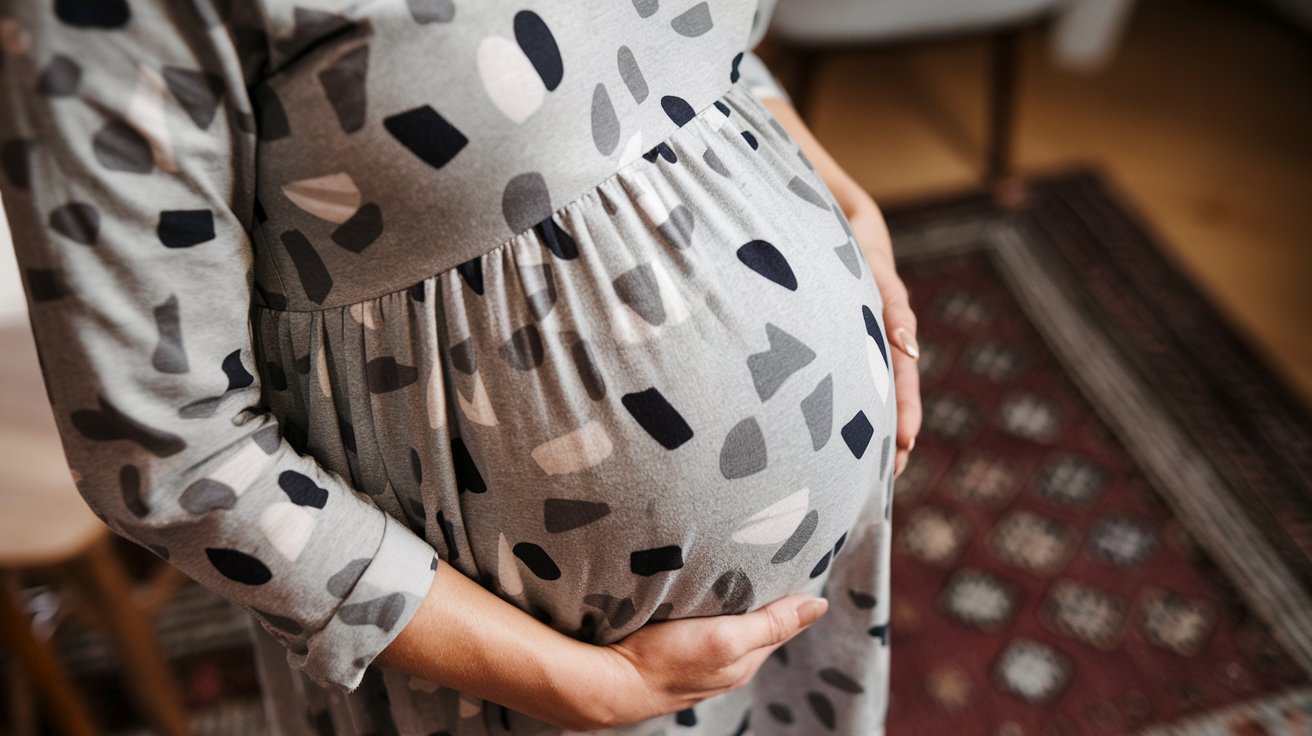
Weight loss during the first trimester affects up to 80% of pregnant women, primarily due to morning sickness and hormonal changes. While moderate weight loss is often normal in early pregnancy, understanding the causes and knowing when to seek medical attention is crucial for both maternal and fetal health.
Is First Trimester Weight Loss Normal?
Weight loss during the first trimester is surprisingly common and often completely normal. According to the American College of Obstetricians and Gynecologists (ACOG), up to 3-5 pounds of weight loss during the first 12 weeks is typically not concerning. Many women experience this due to nausea, vomiting, and changes in appetite that accompany early pregnancy hormonal fluctuations.
The key factor determining whether first trimester weight loss is normal lies in the amount and underlying causes. Healthcare providers generally consider losses under 5% of pre-pregnancy body weight as acceptable during this period. However, more significant losses or those accompanied by severe symptoms require immediate medical evaluation to ensure proper fetal development and maternal health.
Common Causes of First Trimester Weight Loss
Understanding why you’re losing weight first trimester helps distinguish between normal and concerning situations. The most frequent cause is morning sickness, affecting 70-80% of pregnant women. This condition, medically known as nausea and vomiting of pregnancy (NVP), typically peaks between weeks 6-12 and can significantly impact food intake and retention.
Morning Sickness and Hyperemesis Gravidarum
Morning sickness ranges from mild nausea to severe vomiting that prevents adequate nutrition. While most cases resolve by the second trimester, approximately 0.3-2% of women develop hyperemesis gravidarum, a severe form requiring medical intervention. This condition can cause significant weight loss, dehydration, and electrolyte imbalances, making immediate treatment essential for maternal and fetal wellbeing.
Hormonal Changes and Food Aversions
Rising levels of human chorionic gonadotropin (hCG) and estrogen during the first trimester can dramatically alter taste and smell preferences. These hormonal shifts often create strong food aversions, making it difficult to maintain previous eating patterns. Many women find they can only tolerate bland foods or experience complete appetite loss, naturally leading to temporary weight reduction.
When First Trimester Weight Loss Becomes Concerning
While moderate weight loss early pregnancy is often normal, certain warning signs require immediate medical attention. Losing more than 5% of your pre-pregnancy weight, experiencing severe dehydration symptoms, or being unable to keep fluids down for 24 hours are red flags that need professional evaluation.
Warning Signs to Watch For
Contact your healthcare provider immediately if you experience persistent vomiting for more than 24 hours, signs of dehydration such as dark urine or dizziness, or weight loss exceeding 10 pounds during the first trimester. Additionally, if you’re losing weight without morning sickness, this could indicate underlying health issues requiring investigation, including thyroid disorders or other medical conditions.
Impact on Fetal Development
Significant maternal weight loss during pregnancy can affect fetal growth and development, particularly if it occurs due to severe malnutrition or dehydration. However, research shows that babies are remarkably resilient during the first trimester, often drawing necessary nutrients from maternal reserves. The critical factor is ensuring adequate hydration and vitamin supplementation even when solid food intake is limited.
Managing Weight Loss During First Trimester
Successfully managing first trimester weight loss involves strategic approaches to nutrition and symptom control. Small, frequent meals consisting of easily digestible foods often work better than three large meals. Focus on nutrient-dense options when possible, and prioritize hydration over solid food intake when experiencing severe nausea.
Prenatal vitamins remain crucial even during periods of limited food intake. If you can’t keep regular vitamins down, discuss alternative formulations with your healthcare provider. Some women find liquid vitamins or those taken at different times of day more tolerable during this challenging period.
Nutritional Strategies for First Trimester Challenges
When dealing with weight loss during early pregnancy, focus on maximizing nutritional value in whatever foods you can tolerate. Bland, carbohydrate-rich foods like crackers, toast, or rice often stay down better than complex meals. Adding protein powder to smoothies or consuming small amounts of nuts can help maintain nutritional intake even with limited appetite.
Foods That Help Combat Nausea
Ginger has proven anti-nausea properties and can be consumed as tea, capsules, or candies to help manage morning sickness symptoms. Vitamin B6 supplementation, under medical supervision, may also reduce nausea severity. Cold foods often trigger less nausea than hot meals, making smoothies, popsicles, and cold soups excellent options during difficult periods.
Hydration Strategies
Maintaining adequate hydration becomes challenging when experiencing frequent vomiting, but it’s crucial for preventing complications. Sip small amounts of fluid frequently rather than drinking large quantities at once. Electrolyte solutions, ice chips, or diluted sports drinks can help replace lost minerals. If you’re losing weight and struggling with hydration, your doctor may recommend IV fluid therapy.
Weight Gain Expectations After First Trimester
Most women who experience first trimester weight loss will begin gaining appropriate weight during the second trimester as morning sickness subsides. The Institute of Medicine recommends total pregnancy weight gain based on pre-pregnancy BMI: 25-35 pounds for normal weight women, 15-25 pounds for overweight women, and 11-20 pounds for obese women.
By week 14-16, appetite typically returns, and steady weight gain of 1-2 pounds per week becomes the goal. Your healthcare provider will monitor your weight trajectory throughout pregnancy to ensure both you and your baby remain healthy. Don’t attempt to make up for first trimester losses too quickly, as gradual, steady gain is healthiest.
Medical Treatments for Severe First Trimester Weight Loss
When weight loss during pregnancy becomes severe or accompanied by dangerous symptoms, medical intervention may be necessary. Treatments range from oral medications to manage nausea to IV fluid therapy for dehydration. In severe cases of hyperemesis gravidarum, hospitalization may be required to stabilize maternal condition and ensure fetal wellbeing.
Anti-nausea medications considered safe during pregnancy include vitamin B6, doxylamine, and in severe cases, ondansetron or metoclopramide. Your healthcare provider will carefully weigh benefits and risks when prescribing medications during the first trimester, always prioritizing both maternal and fetal safety in treatment decisions.
Long-term Effects and Outcomes
Research consistently shows that women who experience first trimester weight loss typically have normal pregnancy outcomes when the loss is moderate and resolves by the second trimester. Babies born to mothers who lost weight early in pregnancy generally have normal birth weights and developmental outcomes, provided adequate nutrition is maintained throughout the remainder of pregnancy.
However, severe, prolonged weight loss can increase risks of low birth weight, preterm delivery, and other complications. This is why monitoring and appropriate medical care during episodes of significant weight loss are essential. Most women find that maintaining open communication with their healthcare team leads to the best outcomes for both mother and baby.
Related video about why am i losing weight first trimester
This video complements the article information with a practical visual demonstration.
Frequently Asked Questions
Is it normal to lose weight in the first trimester?
Yes, losing 3-5 pounds during the first trimester is normal for many women due to morning sickness, food aversions, and hormonal changes. Up to 80% of pregnant women experience some degree of nausea and vomiting, which can naturally lead to temporary weight loss. However, losses exceeding 5% of pre-pregnancy weight should be evaluated by a healthcare provider.
How much weight is safe to lose in first trimester?
Generally, losing up to 5% of your pre-pregnancy body weight during the first trimester is considered safe. For a 150-pound woman, this would be approximately 7.5 pounds. However, the cause of weight loss matters more than the exact amount. Weight loss due to morning sickness is typically less concerning than unexplained weight loss without symptoms.
Why am I losing weight during pregnancy without morning sickness?
Weight loss without morning sickness could indicate underlying health issues such as thyroid disorders, diabetes, or other medical conditions. It might also result from anxiety, dietary changes, or increased metabolism. Any unexplained weight loss during pregnancy should be discussed with your healthcare provider to rule out potentially serious conditions.
Can first trimester weight loss affect my baby?
Moderate first trimester weight loss typically doesn’t harm fetal development, as babies are remarkably resilient and can draw nutrients from maternal reserves. However, severe weight loss with dehydration and malnutrition can impact fetal growth. The key is maintaining adequate hydration and taking prenatal vitamins even when solid food intake is limited.
When should I be concerned about first trimester weight loss?
Seek medical attention if you lose more than 10 pounds, can’t keep fluids down for 24 hours, show signs of dehydration (dark urine, dizziness, dry mouth), or experience weight loss without any pregnancy symptoms. Additionally, persistent vomiting, severe abdominal pain, or inability to take prenatal vitamins require immediate evaluation.
Will I gain weight back after the first trimester?
Most women begin gaining weight steadily during the second trimester as morning sickness subsides and appetite returns. Typical weight gain is 1-2 pounds per week after week 14-16. Your healthcare provider will monitor your weight gain throughout pregnancy to ensure you’re on track for healthy total pregnancy weight gain based on your pre-pregnancy BMI.
| Weight Loss Amount | Typical Cause | Recommended Action |
|---|---|---|
| 1-3 pounds | Mild morning sickness, food aversions | Monitor symptoms, maintain hydration |
| 3-5 pounds | Moderate nausea and vomiting | Discuss with healthcare provider |
| 5+ pounds | Severe morning sickness or other causes | Immediate medical evaluation needed |
| 10+ pounds | Hyperemesis gravidarum or medical condition | Emergency medical attention required |