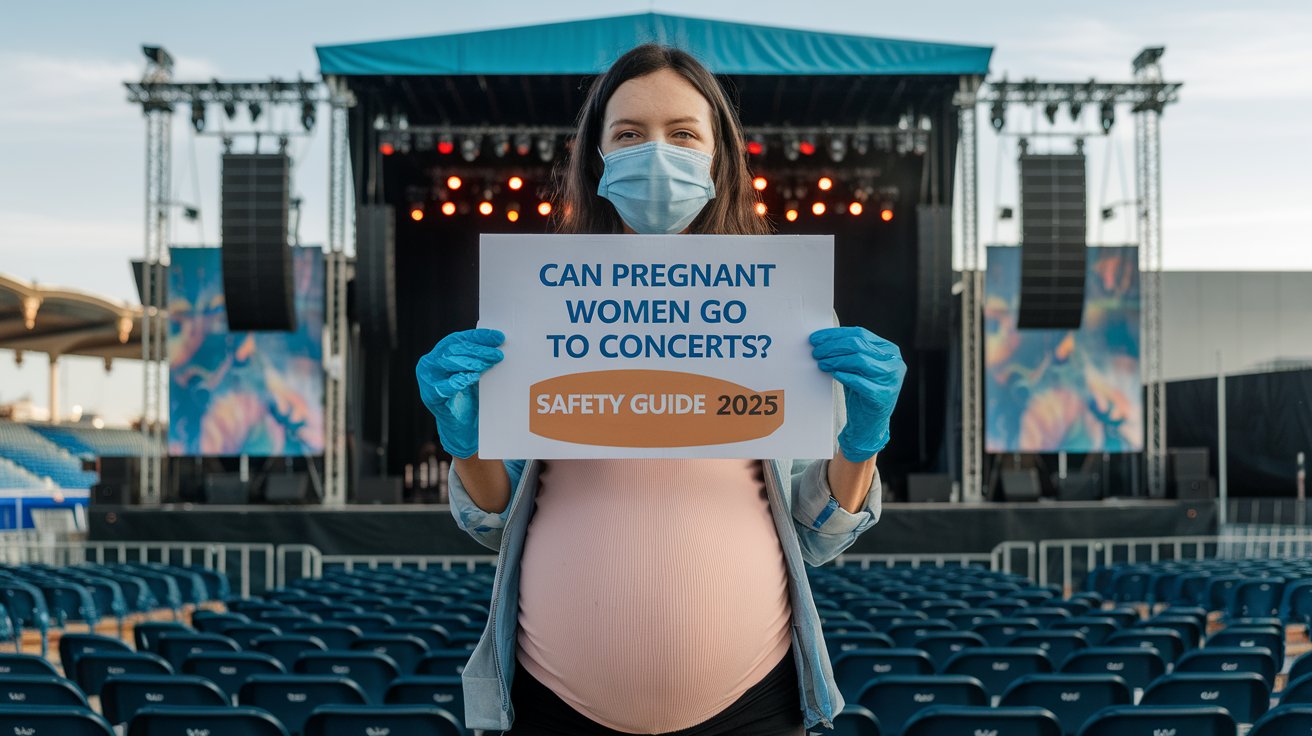
Yes, pregnant women can go to concerts with proper precautions and timing considerations. While occasional exposure to loud music typically doesn’t harm your developing baby, understanding safe sound levels, choosing appropriate seating, and considering your pregnancy stage ensures both you and your baby remain safe during live music events.
Is It Safe for Pregnant Women to Attend Concerts?
Concerts while pregnant are generally safe when you take appropriate precautions and avoid prolonged exposure to extremely loud sounds. The American College of Obstetricians and Gynecologists states that brief exposure to sounds under 115 decibels is unlikely to cause harm to your unborn baby. Most concerts range between 100-110 decibels, making them relatively safe for occasional attendance.
However, pregnant women should avoid standing directly near speakers or in areas where sound levels exceed 115 decibels for extended periods. Your baby’s hearing begins developing around 18-20 weeks of pregnancy, making sound exposure considerations more important during the second and third trimesters.
Concert Safety by Pregnancy Trimester
Each trimester presents different considerations when attending concerts while pregnant. Understanding these differences helps you make informed decisions about when and how to enjoy live music safely throughout your pregnancy journey.
First Trimester Concert Attendance (1-12 Weeks)
During the first trimester, your baby’s hearing system hasn’t developed yet, making sound exposure less concerning from a fetal development perspective. However, pregnancy symptoms like morning sickness, fatigue, and heightened sensitivity to smells may make concert attendance uncomfortable. Choose outdoor venues or well-ventilated spaces to minimize nausea triggers, and consider aisle seats for easy bathroom access.
Second Trimester Concert Safety (13-27 Weeks)
The second trimester is often considered the ideal time for concert attendance. Your energy levels typically improve, and morning sickness usually subsides. Since your baby’s hearing begins developing around 18-20 weeks, choose seats away from speakers and limit exposure to extremely loud performances. This trimester offers the best balance of comfort and safety for enjoying live music.
Third Trimester Considerations (28-40 Weeks)
During the third trimester, physical comfort becomes the primary concern when attending concerts. Your growing belly may make standing for long periods uncomfortable, and crowded venues pose risks of being bumped or pushed. Choose seated venues, stay hydrated, and have an exit plan. Avoid concerts after 36 weeks unless you’re comfortable with the possibility of early labor onset from excitement or stress.
How Loud Music Affects Your Unborn Baby
Loud music exposure during pregnancy raises concerns about potential hearing damage to your developing baby. Research shows that sounds reaching the womb are typically reduced by 20-30 decibels due to maternal tissues and amniotic fluid acting as natural sound barriers.
Studies indicate that prolonged exposure to sounds exceeding 100 decibels may potentially cause stress responses in unborn babies, including increased heart rate and movement. However, occasional concert attendance with sound levels between 85-100 decibels is generally considered safe and unlikely to cause permanent hearing damage to your baby.
Safe Sound Levels and Decibel Guidelines
Understanding safe sound levels helps you make informed decisions about concert attendance during pregnancy. The Occupational Safety and Health Administration (OSHA) provides guidelines that can be applied to pregnancy considerations for sound exposure limits.
Recommended Decibel Limits for Pregnant Women
Safe exposure limits for pregnant women include: 85 decibels for up to 8 hours daily, 90 decibels for 2-4 hours, and 100 decibels for 15 minutes maximum. Most rock concerts reach 100-110 decibels, while classical concerts typically range from 85-95 decibels. Electronic dance music events often exceed 110 decibels, requiring extra caution and protective measures.
Using Sound Measuring Apps and Ear Protection
Download sound measuring apps like NIOSH Sound Level Meter or Decibel X to monitor noise levels at concerts. Consider wearing foam earplugs that reduce sound by 25-30 decibels while still allowing you to enjoy the music. High-fidelity earplugs designed for musicians provide better sound quality while offering protection from harmful decibel levels.
Choosing the Right Concert Venue and Seating
Selecting appropriate concert venues and seating significantly impacts your safety and comfort during pregnancy. Outdoor amphitheaters typically offer better ventilation and easier crowd management compared to enclosed arenas, making them ideal choices for pregnant concertgoers.
Reserved seating areas provide better control over your environment compared to general admission standing areas. Choose seats at least 100 feet from main speakers and avoid front rows where sound levels are highest. Aisle seats offer easier bathroom access and quick exit options if needed.
Health Precautions and Safety Tips
Taking proper health precautions ensures a safe and enjoyable concert experience during pregnancy. Stay hydrated by bringing a water bottle and drinking regularly throughout the event, as pregnancy increases your fluid needs and dehydration risks.
Pre-Concert Preparation Checklist
Before attending concerts while pregnant, create a safety checklist including: consulting your healthcare provider for approval, researching venue accessibility and medical facilities, packing snacks and water, wearing comfortable supportive shoes, and informing someone of your plans. Bring pregnancy documentation and emergency contact information in case medical attention is needed.
During the Concert Safety Measures
While attending the concert, monitor your comfort level and don’t hesitate to leave if you feel unwell. Avoid crowded areas where you might be pushed or jostled, take breaks to sit down regularly, and step outside for fresh air if the venue becomes stuffy. Trust your instincts and prioritize your and your baby’s wellbeing over staying for the entire performance.
When to Avoid Concerts During Pregnancy
Certain situations warrant avoiding concerts entirely during pregnancy. High-risk pregnancies, recent complications, or doctor’s recommendations against large gatherings should be respected. Avoid extremely loud venues exceeding 115 decibels, overcrowded festivals with limited medical access, and events where smoking or substance use is prevalent.
Skip concerts if you’re experiencing pregnancy complications like preterm labor symptoms, severe morning sickness, high blood pressure, or if you’re past 36 weeks pregnant and concerned about early labor onset. Your health and safety should always take priority over entertainment.
Medical Research and Expert Opinions
Recent medical research from 2024 studies published in the Journal of Maternal-Fetal Medicine indicates that moderate sound exposure during pregnancy doesn’t significantly impact fetal development or hearing. However, researchers emphasize the importance of limiting exposure duration and intensity.
Obstetric specialists generally agree that occasional concert attendance poses minimal risk to healthy pregnancies when proper precautions are followed. The key factors include staying hydrated, avoiding extremely loud areas, and listening to your body’s signals throughout the event.
Related video about can pregnant woman go to concerts
This video complements the article information with a practical visual demonstration.
Everything you need to know about can pregnant woman go to concerts
Can I go to a concert at 6 months pregnant?
Yes, you can attend concerts at 6 months pregnant with proper precautions. Choose seated areas away from speakers, stay hydrated, and avoid venues exceeding 110 decibels. The second trimester is often considered the safest time for concert attendance as energy levels are higher and morning sickness has typically subsided.
Will loud music at concerts hurt my unborn baby’s hearing?
Occasional exposure to concert-level sounds (100-110 decibels) is unlikely to damage your baby’s hearing. Maternal tissues and amniotic fluid reduce sound levels by 20-30 decibels before reaching the baby. However, avoid prolonged exposure to sounds exceeding 115 decibels and consider wearing ear protection.
Is it safe to go to concerts in the first trimester?
First trimester concert attendance is generally safe since your baby’s hearing system hasn’t developed yet. However, pregnancy symptoms like morning sickness and fatigue may make concerts uncomfortable. Choose well-ventilated venues and aisle seats for easy bathroom access during this period.
What precautions should I take when going to concerts while 8 months pregnant?
At 8 months pregnant, prioritize physical comfort and safety. Choose seated venues, stay close to exits, bring a support person, and avoid crowded areas. Consider avoiding concerts after 36 weeks due to increased risk of early labor onset from excitement or stress.
How do I know if a concert venue is too loud for pregnancy?
Use sound measuring apps to monitor decibel levels. Venues exceeding 110 decibels consistently may be too loud. If you need to shout to be heard by someone next to you, or if you experience ear discomfort, the venue is likely too loud and you should move to a quieter area or leave.
Can bass from loud music affect my pregnancy?
Low-frequency bass sounds are generally less concerning than high-frequency sounds during pregnancy. The amniotic fluid effectively dampens bass vibrations before they reach your baby. However, extremely intense bass (over 100 decibels) felt as physical vibrations should still be limited to prevent maternal stress responses.
| Pregnancy Stage | Safety Considerations | Recommended Precautions |
|---|---|---|
| First Trimester | Morning sickness, fatigue | Choose ventilated venues, aisle seats |
| Second Trimester | Optimal time, hearing develops | Avoid speaker areas, limit loud exposure |
| Third Trimester | Physical discomfort, labor risk | Seated venues, exit plans, hydration |
| Sound Levels | 85-100 dB safe, 115+ dB avoid | Use ear protection, monitor with apps |