Yeast infections on C-section scars affect approximately 15-20% of women post-delivery, causing discomfort, itching, and delayed healing. This comprehensive guide provides proven treatments, prevention strategies, and essential care tips to help you recover safely and effectively from this common postpartum complication.
Understanding Yeast Infections on C-Section Scars
A yeast infection on C-section incision occurs when Candida fungus overgrows in the warm, moist environment around your surgical site. This typically happens within the first 2-8 weeks after delivery when your immune system is compromised and hormonal changes create favorable conditions for fungal growth. The infection manifests as redness, itching, white discharge, and a distinctive yeasty smell around the incision area.
Unlike bacterial infections that develop immediately after surgery, yeast infection c-section incision smell develops gradually and presents with characteristic symptoms. The warm, dark environment under surgical dressings, combined with increased moisture from sweating and limited air circulation, creates perfect conditions for Candida proliferation. Understanding these factors helps in both treatment and prevention strategies.
Primary Symptoms to Identify
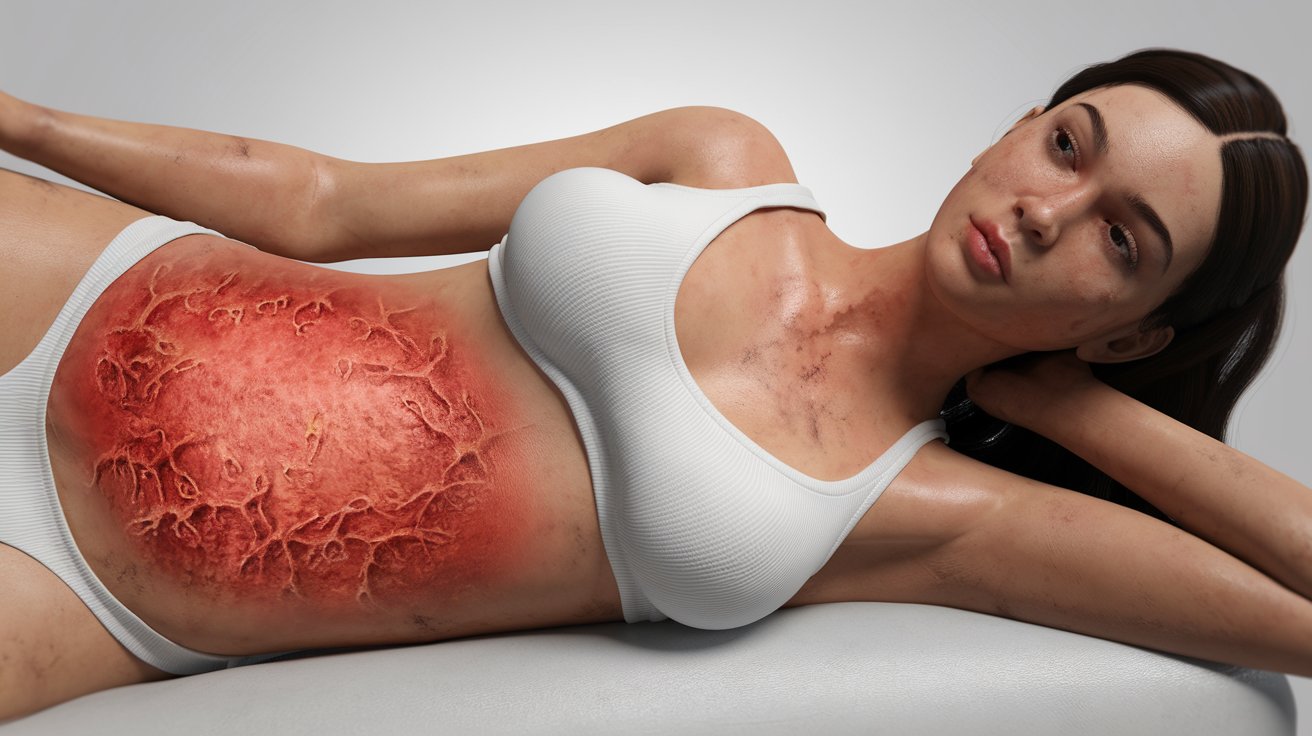
The most common signs of yeast infection after c-section include intense itching around the incision, thick white discharge with a bread-like odor, redness extending beyond the normal healing margins, and burning sensation during cleaning. Additional symptoms may include skin flaking, small pustules near the incision line, and increased pain that differs from typical healing discomfort.
Risk Factors and Causes
Several factors increase your risk of developing a postpartum yeast infection on your C-section scar. These include diabetes, antibiotic use during or after surgery, excessive moisture retention, poor air circulation around the incision, compromised immune system, and hormonal fluctuations common in the postpartum period. Overweight women face additional challenges as excess skin folds can trap moisture and reduce air circulation.
Effective Treatment Options for C-Section Scar Yeast Infections
Treating a yeast infection on C-section scar requires a multi-pronged approach combining topical antifungal medications, proper wound care, and environmental modifications. The most effective treatments include prescription antifungal creams like clotrimazole or miconazole, which should be applied according to your healthcare provider’s instructions. Over-the-counter options may provide relief but prescription treatments typically offer faster and more complete resolution.
Proper application technique is crucial for treatment success. Clean the affected area gently with warm water and pat dry completely before applying antifungal medication. Apply a thin layer extending slightly beyond the visible infection area, and allow complete absorption before covering with loose, breathable clothing. Most treatments require 7-14 days of consistent application, even after symptoms resolve.
Prescription Antifungal Treatments
Healthcare providers typically prescribe topical antifungals such as clotrimazole 1% cream applied twice daily, or miconazole 2% cream for more severe infections. In persistent cases, oral antifungals like fluconazole may be recommended, though these require careful consideration during breastfeeding. Treatment duration typically ranges from 10-14 days, with symptoms improving within 48-72 hours of starting therapy.
Over-the-Counter Treatment Options
For mild infections, over-the-counter antifungal creams containing miconazole or clotrimazole can provide relief. These treatments are generally safe during breastfeeding and offer convenience for initial management. However, if symptoms persist beyond 5-7 days or worsen, professional medical evaluation is essential to rule out complications or alternative diagnoses.
Home Remedies and Supportive Care
While medical treatment remains the primary approach, several home remedies can support healing and provide symptom relief. Keep the incision area clean and completely dry, use a hair dryer on cool setting to ensure thorough drying after cleaning, and wear loose-fitting cotton clothing that allows air circulation. Avoid synthetic fabrics that trap moisture and heat.
Natural antifungal agents like diluted tea tree oil or coconut oil may provide additional support, but should never replace medical treatment. Apply these remedies sparingly and discontinue if irritation occurs. Probiotic supplements or yogurt consumption may help restore healthy bacterial balance, though evidence for topical application directly to the incision is limited and potentially risky.
Keeping C-Section Incisions Dry and Clean
Proper hygiene and moisture control are fundamental to both treating and preventing yeast infections on C-section scars. Clean the incision area daily with mild, unscented soap and warm water, then pat dry gently with a clean towel. Avoid rubbing or scrubbing, which can irritate healing tissues and create additional entry points for infection.
For women wondering how to keep c-section incision dry when overweight, specific strategies include using absorbent pads between skin folds, changing undergarments frequently, positioning fans to improve air circulation, and considering specialized moisture-wicking garments designed for post-surgical recovery. Elevating the area when resting can also help reduce moisture accumulation.
Daily Cleaning Routine
Establish a consistent daily cleaning routine using lukewarm water and gentle, fragrance-free soap. Clean from the center of the incision outward, rinse thoroughly, and pat dry with a clean towel. Change the towel daily and avoid sharing personal hygiene items. Complete drying is essential – consider using a hair dryer on cool setting if conventional drying methods are insufficient.
Moisture Management Strategies
Effective moisture management involves wearing breathable cotton undergarments, avoiding tight-fitting clothes, using cornstarch-based powders (never talc) to absorb excess moisture, and ensuring proper ventilation around the incision site. Change clothing immediately if it becomes damp from perspiration, and consider sleeping without tight clothing to improve nighttime air circulation.
When to Seek Professional Medical Care
While many yeast infections respond well to treatment, certain situations require immediate medical attention. Contact your healthcare provider if symptoms worsen after 48-72 hours of treatment, if you develop fever, chills, or flu-like symptoms, or if the infection spreads beyond the immediate incision area. Red streaking extending from the incision, increasing pain, or pus formation indicates potential bacterial superinfection requiring urgent care.
Women with diabetes, immunocompromising conditions, or those taking immunosuppressive medications should seek professional evaluation promptly rather than attempting self-treatment. Additionally, if this is your first suspected yeast infection after c-section, professional diagnosis ensures accurate identification and appropriate treatment selection.
Prevention Strategies for Future Infections
Preventing recurrent yeast infections on C-section scars involves maintaining optimal wound environment, supporting immune function, and addressing underlying risk factors. Keep the incision area clean and dry, avoid harsh chemicals or fragranced products, maintain stable blood sugar levels if diabetic, and complete any prescribed antibiotic courses as directed to prevent disruption of natural bacterial flora.
Long-term prevention includes wearing breathable fabrics, maintaining healthy weight when possible, managing underlying health conditions like diabetes, and practicing good hygiene without over-cleaning. Probiotic supplementation may help maintain healthy bacterial balance, though specific recommendations should be discussed with your healthcare provider, especially during breastfeeding.
Lifestyle Modifications
Implement lifestyle modifications including regular exercise as approved by your doctor to improve circulation and immune function, maintaining a balanced diet rich in nutrients that support healing, managing stress levels which can impact immune response, and ensuring adequate sleep for optimal recovery. Avoid smoking and excessive alcohol consumption, both of which impair healing and increase infection risk.
Environmental Controls
Create optimal environmental conditions by maintaining appropriate room temperature and humidity levels, ensuring good air circulation in sleeping and recovery areas, using fans if necessary to prevent moisture buildup, and keeping recovery areas clean and dust-free. Consider using moisture-absorbing products in areas where you spend significant time during recovery.
Long-term Complications and Yeast Infections Years Later
Some women experience yeast infection on C-section scar years later, particularly during times of hormonal change, stress, or immunocompromise. These late-onset infections often relate to scar tissue that creates small pockets where moisture and bacteria can accumulate. The scar tissue itself may be more susceptible to infection due to altered blood flow and reduced immune surveillance in the area.
Long-term complications from untreated or recurrent yeast infections can include chronic inflammation, delayed wound healing, increased scar tissue formation, and rarely, deeper tissue involvement. Women who experience recurrent infections should undergo evaluation for underlying conditions such as diabetes, immunodeficiency, or anatomical factors that predispose to moisture retention.
Related video about how to treat yeast infection on c section scar
This video complements the article information with a practical visual demonstration.
Key Questions and Answers
What does a yeast infection on a C-section scar look like?
A yeast infection on a C-section scar appears as redness around the incision line, white or yellowish discharge, small raised bumps or pustules, and skin that appears shiny or flaky. The area typically itches intensely and may have a distinctive yeasty or bread-like odor. The infection usually develops gradually over several days to weeks.
How long does it take to treat a yeast infection on C-section incision?
Most yeast infections on C-section incisions resolve within 7-14 days with proper antifungal treatment. Symptoms typically begin improving within 2-3 days of starting treatment, but completing the full course is essential to prevent recurrence. Severe or recurrent infections may require longer treatment periods up to 3-4 weeks.
Can I use over-the-counter yeast infection treatments on my C-section scar?
Over-the-counter antifungal creams like miconazole or clotrimazole can be used on C-section scars, but it’s best to consult your healthcare provider first. These medications are generally safe during breastfeeding, but proper diagnosis ensures you’re treating the correct condition and using appropriate concentrations for wound healing.
Is it normal for a C-section scar to smell like yeast?
A yeasty smell from a C-section scar is not normal and typically indicates a yeast infection. Healthy healing incisions may have a slight metallic smell from blood or mild antiseptic odor, but sweet, bread-like, or distinctly yeasty smells suggest fungal overgrowth requiring treatment. Contact your healthcare provider if you notice unusual odors.
What should I avoid when treating a yeast infection on my C-section scar?
Avoid using harsh soaps, alcohol-based products, or hydrogen peroxide on the infected area as these can irritate healing tissue. Don’t use feminine hygiene sprays, douches, or heavily fragranced products. Avoid tight clothing, synthetic fabrics, and over-washing the area. Never ignore worsening symptoms or attempt to treat severe infections without medical guidance.
Why do some women get yeast infections on old C-section scars?
Yeast infections can develop on old C-section scars due to scar tissue creating small pockets that trap moisture and bacteria. Hormonal changes during menstruation, pregnancy, or menopause can trigger these infections. Additionally, the altered blood flow in scar tissue may reduce natural immune defenses, making the area more susceptible to fungal overgrowth even years after surgery.
| Treatment Aspect | Key Details | Expected Outcome |
|---|---|---|
| Topical Antifungals | Clotrimazole 1% or Miconazole 2% applied twice daily | Symptom relief within 48-72 hours |
| Hygiene Protocol | Daily cleaning with mild soap, thorough drying | Prevention of moisture buildup |
| Environmental Control | Breathable clothing, air circulation, moisture management | Optimal healing environment |
| Treatment Duration | 7-14 days with complete medication course | Complete resolution and prevention of recurrence |