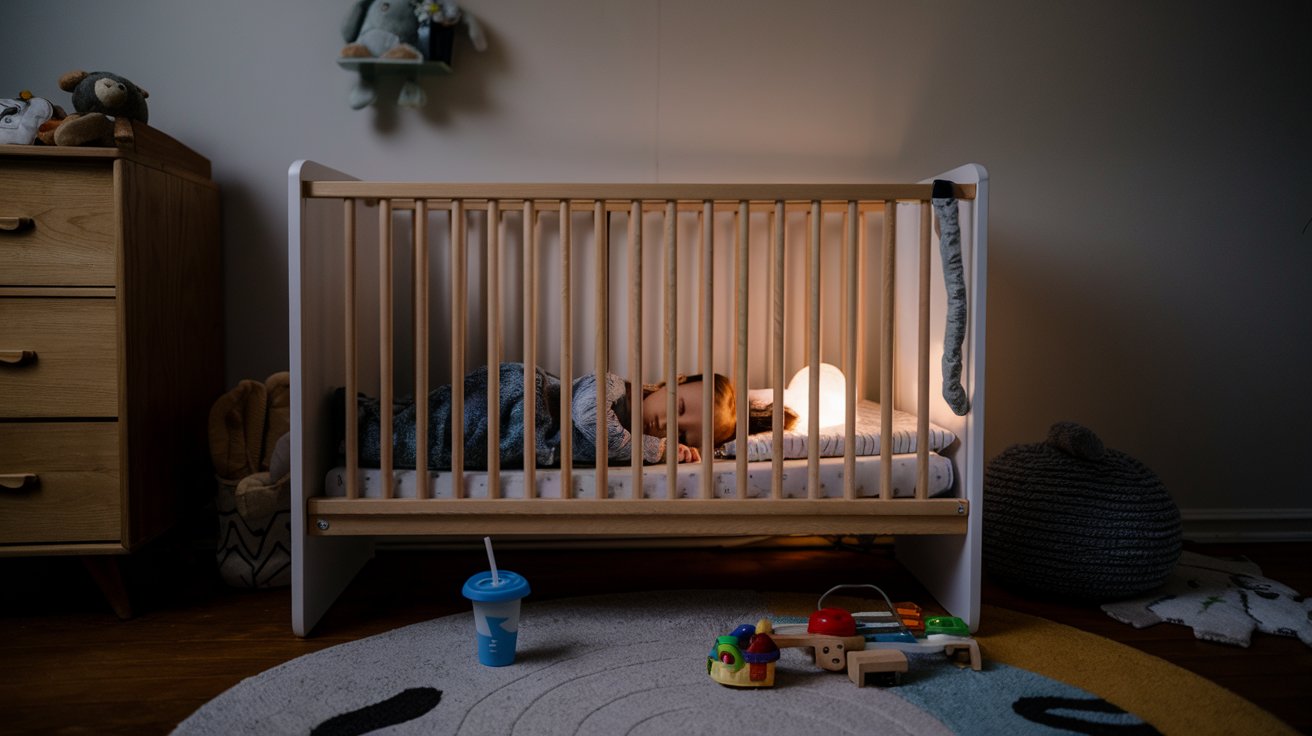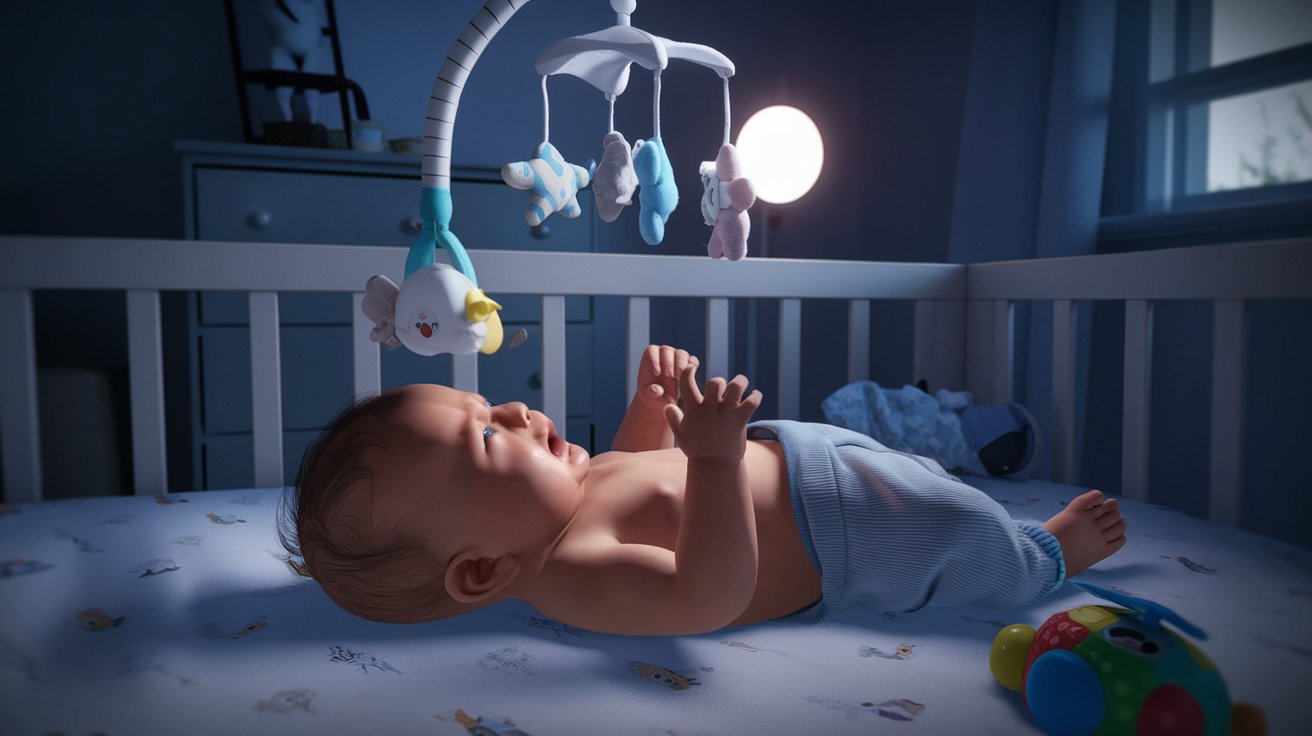
When your baby cries when put down at night, it’s one of the most challenging aspects of early parenthood. This common sleep struggle affects approximately 70% of American families during the first year. Understanding why this happens and implementing proven strategies can transform your bedtime routine, helping both you and your baby achieve the restful sleep you both desperately need.
Why Does My Newborn Cry When Put Down at Night
Newborns experience a dramatic transition from the warm, secure environment of the womb to the outside world. When a newborn baby cries when put down, they’re responding to the sudden absence of physical contact and movement that mimics their prenatal experience. The startle reflex plays a significant role, causing babies to feel like they’re falling when placed in a crib.
During the first three months, babies are biologically programmed to seek constant contact with their caregivers. Research from the American Academy of Pediatrics shows that newborns who cry when put down are displaying normal attachment behaviors. Their nervous systems are still developing, making it difficult to self-soothe without external comfort like swaddling or gentle motion.
Common Reasons Older Babies Cry When Put Down
As babies grow, the reasons behind nighttime crying when put down become more complex. Baby cries when put down at 6 months often indicates developmental milestones affecting sleep patterns. At this age, babies become more aware of their surroundings and may experience separation anxiety even during brief moments apart from parents.
Sleep regressions typically occur around 4, 6, 8, and 12 months, coinciding with major developmental leaps. During these periods, babies who previously slept well may suddenly start crying when being put down as their brains process new skills like rolling, sitting, or crawling. The American Sleep Association reports that 85% of babies experience at least one significant sleep regression during their first year.
Age-Specific Sleep Challenges
Different ages present unique challenges when babies get upset at bedtime. Two-month-old babies often cry due to overtiredness or the need for more structured sleep routines. By four months, sleep patterns become more organized, but growth spurts can disrupt established routines. Nine-month-old babies frequently experience separation anxiety peaks, making bedtime particularly challenging as they become more emotionally aware of being apart from caregivers.
Environmental and Physical Factors
Environmental factors significantly impact whether a baby cries every time put down at night. Room temperature should be maintained between 68-70°F for optimal comfort. Sudden temperature changes when moving from warm arms to a cool crib can trigger crying. Additionally, uncomfortable clothing, wet diapers, or hunger can cause immediate distress when babies are placed in their sleep space.
Essential Pre-Bedtime Checklist
Before addressing behavioral aspects of nighttime crying, parents must rule out physical discomfort that causes babies to cry when put down. Check for signs of illness including fever, congestion, or unusual fussiness throughout the day. Gas or digestive discomfort often worsens when babies lie flat, leading to crying when placed in the crib.
Ensure your baby’s diaper is clean and properly fitted, as wetness or tightness can cause immediate discomfort. Hunger is another primary cause, especially during growth spurts when babies need more frequent feedings. The safe sleep environment should include a firm mattress, fitted sheet, and room temperature between 68-70°F with appropriate sleepwear to prevent overheating.
Creating the Perfect Sleep Environment
The sleep environment plays a crucial role in preventing crying when put down at night. Use blackout curtains to eliminate light distractions and maintain consistent darkness for proper melatonin production. White noise machines set at 50-60 decibels can mask household sounds while providing comforting background noise. The crib should be positioned away from windows and heating vents to maintain stable temperature conditions.
Timing and Sleep Cues
Proper timing prevents overtiredness, a leading cause of babies crying when being put down. Watch for early sleep cues including yawning, eye rubbing, or decreased activity. For newborns, wake windows should be 45-90 minutes, while 6-month-old babies can typically stay awake for 2-3 hours between sleep periods. Missing the optimal sleep window often results in increased cortisol levels, making it much harder for babies to settle peacefully.
The Psychology Behind Bedtime Crying
Understanding the psychological reasons why baby cries when put down at night helps parents respond appropriately. Babies are born with an innate survival mechanism that drives them to stay close to caregivers. When placed alone in a crib, they instinctively signal distress through crying to ensure their caregiver returns.
This behavior is rooted in evolutionary biology where staying close to parents meant survival. Modern research shows that babies who cry when put down are displaying healthy attachment behaviors. However, learning to sleep independently is a crucial developmental skill that requires gradual teaching and patience from parents.
Attachment and Independence Balance
Balancing attachment needs with sleep independence is key to addressing nighttime crying when put down. Responsive parenting during the day builds secure attachment, making nighttime separation easier. Gradual transitions from co-sleeping or room-sharing to independent sleep help babies adjust slowly. The goal is helping babies feel secure enough to sleep alone while maintaining the parent-child bond through consistent, loving care during wake periods.
Development of Self-Soothing Skills
Self-soothing development typically begins around 3-4 months when babies gain better control over their movements and nervous systems. Babies who cry when put down at this age may benefit from gentle sleep training methods that encourage self-soothing. Allowing brief periods of fussing before intervening gives babies opportunities to practice settling themselves, though this should be age-appropriate and consistent with family values.
Proven Strategies to Stop Crying When Put Down
The gradual transition method effectively reduces crying when baby is put down by slowly decreasing physical contact over several nights. Start by sitting next to the crib with your hand on the baby, then progress to sitting nearby without touch, and finally to leaving the room. This process typically takes 1-2 weeks but results in lasting sleep improvements.
Swaddling remains one of the most effective techniques for newborns who cry when put down, as it mimics the secure feeling of the womb. For older babies who can roll, sleep sacks provide similar comfort without safety concerns. The pick-up, put-down method involves briefly comforting the crying baby, then placing them back in the crib, repeating as necessary until they settle.
Age-Specific Solutions for Nighttime Crying
Solutions for 1 month baby cries when put down focus on meeting basic needs and providing womb-like comfort. Swaddling, white noise, and gentle rocking before placing in the crib help newborns transition to independent sleep. At this age, frequent night wakings are normal, and parents should prioritize safe sleep practices over sleep training.
For babies experiencing crying when put down at 6 months, more structured approaches become appropriate. Sleep training methods like the Ferber method or chair method can be implemented, as babies have developed better self-soothing capabilities. Consistent bedtime routines become crucial at this age, including bath time, story reading, and quiet activities that signal sleep time approaching.
Solutions for 2-4 Month Old Babies
The 2-4 month period represents a transitional phase when baby cries when put down at night 2 months and beyond. Implementing gentle routines helps establish circadian rhythms. The 5-8-5 rule suggests feeding every 5 hours during the day, with 8 hours of nighttime sleep, and 5-minute settling periods. However, this should be adapted to individual baby needs rather than followed rigidly.
Advanced Techniques for Older Babies
When baby cries when put down 9 months, advanced techniques address separation anxiety and increased mobility. Creating positive sleep associations through consistent routines helps older babies feel secure. Comfort objects like small blankets or soft toys (following safe sleep guidelines) can provide emotional support. Gradual bedtime delays may help if babies seem undertired, while earlier bedtimes work for overtired babies showing increased crying when put down.
When to Seek Professional Help
While some crying when put down is normal, persistent issues lasting more than 4-6 weeks may require professional guidance. Consult your pediatrician if baby cries every time put down despite trying multiple strategies, or if crying is accompanied by other concerning symptoms like poor weight gain, excessive fussiness during the day, or signs of illness.
Sleep consultants can provide personalized strategies for families struggling with chronic bedtime crying. The American Academy of Pediatrics recommends seeking help if sleep issues significantly impact family functioning or if parents feel overwhelmed by their baby’s sleep challenges. Early intervention often prevents more serious sleep problems from developing as babies grow older.
Related video about baby cries when put down at night
This video complements the article information with a practical visual demonstration.
Your questions answered
How do I get my baby to stop crying when I put him down?
Start with gradual transitions by holding your baby until drowsy but awake, then placing them in the crib with your hand on their chest for comfort. Gradually reduce physical contact over 7-14 nights. Ensure the room is dark, quiet, and at 68-70°F. Swaddling for newborns or sleep sacks for older babies can provide security and reduce startle reflexes that cause crying when put down.
What is the 5-8-5 rule for babies?
The 5-8-5 rule suggests babies should eat every 5 hours during the day, sleep for 8 hours at night, and be given 5 minutes to self-soothe before intervention. However, this is a general guideline that should be adapted to your baby’s individual needs, age, and development stage. Newborns require more frequent feedings and shorter wake periods than this rule suggests.
Why does my baby fall asleep in my arms but cries when I put him down?
This occurs because babies associate sleep with the warmth, movement, and comfort of being held. When placed in a stationary crib, they lose these sleep associations and wake up. The temperature difference between warm arms and cool sheets can also trigger crying. To prevent this, put your baby down while drowsy but awake, so they learn to fall asleep independently in their crib.
Is it normal for my 6-month-old to cry when put down at night?
Yes, crying when put down at 6 months is common due to developmental changes, sleep regressions, and emerging separation anxiety. At this age, babies become more aware of their surroundings and may resist being alone. Consistent bedtime routines, appropriate room environment, and gentle sleep training methods can help. If crying persists beyond 2-3 weeks, consult your pediatrician to rule out underlying issues.
Should I let my newborn cry when I put them down?
For newborns under 3-4 months, extended crying is not recommended as they lack self-soothing abilities. Instead, focus on meeting basic needs, swaddling, and gradual transitions. Brief fussing (2-3 minutes) is normal, but prolonged crying indicates the baby needs comfort or has an unmet need. After 4 months, some gentle sleep training methods can be considered based on your family’s comfort level and baby’s development.
How long should I let my baby cry when putting them down?
For babies under 4 months, limit crying to 2-3 minutes before providing comfort. For 4-6 month olds, 5-10 minutes of fussing may be appropriate if using gentle sleep training methods. Always ensure basic needs are met first. The duration depends on your baby’s age, temperament, and your family’s comfort level. Consistent approach is more important than specific timing, and you should never let a baby cry if they seem distressed or unwell.
| Age Range | Main Causes of Crying | Recommended Solutions |
|---|---|---|
| 0-3 months | Startle reflex, need for comfort, basic needs | Swaddling, gradual transitions, meet basic needs |
| 4-6 months | Sleep regressions, developing awareness | Consistent routines, gentle sleep training |
| 6-12 months | Separation anxiety, mobility development | Comfort objects, structured sleep training |
| All ages | Environmental factors, overtiredness | Optimal sleep environment, proper timing |