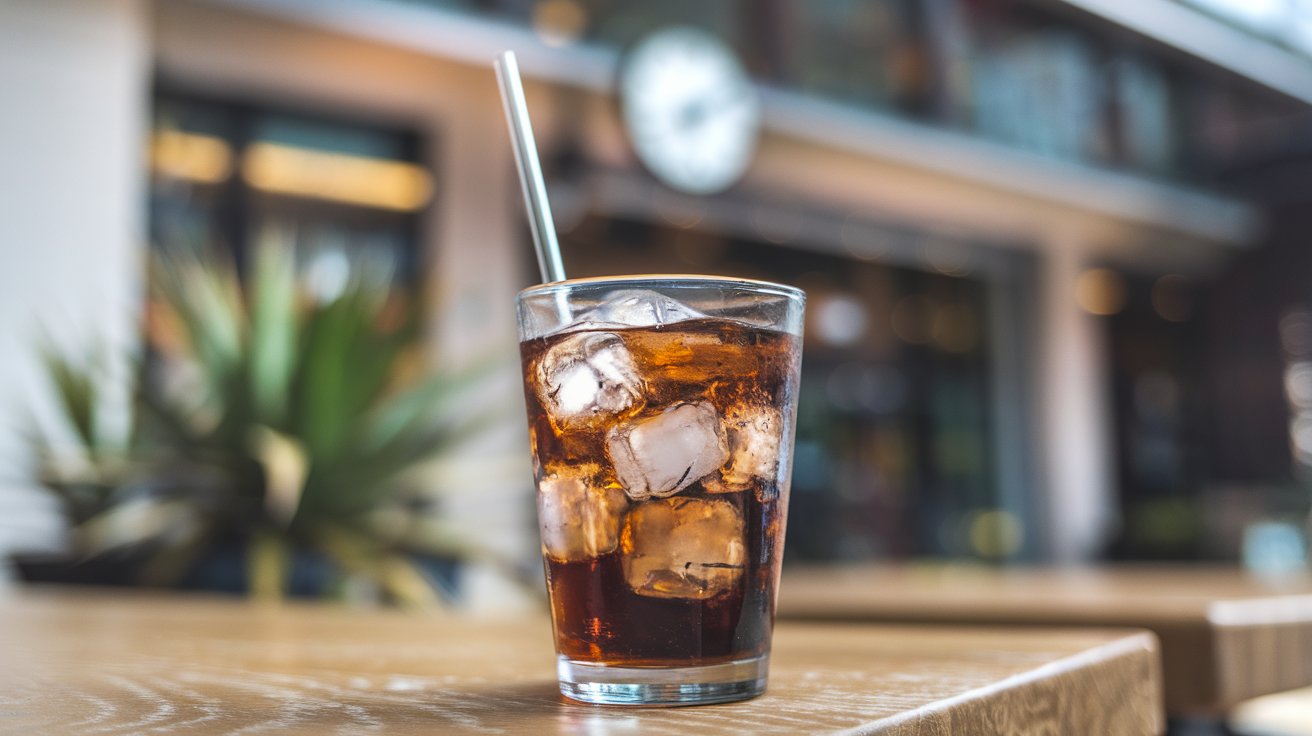
When you’re expecting, every food and drink choice matters for your baby’s health. Drinking soda while pregnant is generally safe in moderation, but there are important considerations regarding caffeine content, sugar intake, and timing throughout your pregnancy. Understanding these factors helps you make informed decisions during this crucial time.
Caffeine in Soda During Pregnancy: What You Need to Know
The American College of Obstetricians and Gynecologists recommends limiting caffeine intake during pregnancy to no more than 200 milligrams per day. Most regular sodas contain 30-40 mg of caffeine per 12-ounce serving, which means you could safely have 4-5 cans daily from a caffeine perspective alone. However, this doesn’t account for other caffeine sources like coffee, tea, or chocolate that you might consume throughout the day.
Excessive caffeine consumption during pregnancy has been linked to increased risk of miscarriage, low birth weight, and premature birth according to 2024 research from the FDA. Coca-Cola during pregnancy contains about 34 mg of caffeine per 12-ounce can, while Pepsi contains slightly less at 38 mg. Mountain Dew has significantly more at 54 mg per can, making it important to track your total daily intake across all sources.
Sugar Content and Pregnancy Concerns
Regular sodas are loaded with sugar, typically containing 35-40 grams per 12-ounce serving. During pregnancy, excessive sugar intake can contribute to gestational diabetes, excessive weight gain, and increased risk of complications during delivery. The American Diabetes Association reports that gestational diabetes affects approximately 10% of pregnancies in the United States as of 2024.
Consuming high amounts of sugar can also lead to blood sugar spikes and crashes, which may worsen pregnancy symptoms like nausea and fatigue. Drinking soda while pregnant first trimester when morning sickness is common might temporarily help with nausea, but the sugar content could exacerbate symptoms later. Healthcare providers typically recommend limiting added sugars to no more than 25 grams per day during pregnancy.
Diet Soda Safety During Pregnancy
Diet soda during pregnancy presents different concerns than regular soda. Artificial sweeteners like aspartame, sucralose, and acesulfame potassium are FDA-approved and considered safe in moderate amounts during pregnancy. However, some studies suggest potential links between artificial sweeteners and preterm birth, though the evidence remains inconclusive as of 2024.
The benefit of diet soda is avoiding the high sugar content of regular sodas, but you’re still consuming caffeine and artificial ingredients. Many pregnant women choose to limit diet soda consumption as a precautionary measure, especially during the first trimester when organ development is most critical. Stevia-sweetened sodas offer a more natural alternative to traditional diet sodas.
Trimester-Specific Considerations
Drinking soda while pregnant first trimester requires extra caution as this is when your baby’s organs are forming. The caffeine and sugar can affect early development, and many women experience increased sensitivity to these substances. Some find that carbonated beverages help with morning sickness, making ginger ale or caffeine-free sodas preferable options during this time.
During the second and third trimesters, moderate soda consumption becomes less concerning for organ development, but weight gain and gestational diabetes risks increase. The third trimester brings additional considerations as excessive sugar intake can contribute to larger birth weight, potentially complicating delivery. Many healthcare providers recommend reducing soda consumption as pregnancy progresses.
Specific Soda Brands and Pregnancy Safety
Sprite during pregnancy is often considered one of the safer options as it’s caffeine-free and the clear, citrusy flavor may help with nausea. However, it still contains about 38 grams of sugar per 12-ounce can. Ginger ale is another popular choice among pregnant women, particularly for morning sickness relief, though most commercial brands contain little actual ginger.
Coca-Cola and pregnancy concerns center around the caffeine and high sugar content, but moderate consumption is generally considered safe. What many don’t realize is that dark colas also contain phosphoric acid, which can interfere with calcium absorption – important during pregnancy when calcium needs increase by 50%. Consider spacing cola consumption away from meals rich in calcium.
Healthier Alternatives to Soda During Pregnancy
Plain water remains the best choice for hydration during pregnancy, but variety can help meet increased fluid needs. Sparkling water with natural fruit flavors provides the fizz satisfaction of soda without added sugars or caffeine. Adding fresh lemon, lime, or cucumber can enhance flavor while providing additional nutrients.
Low-fat milk offers protein, calcium, and vitamin D essential for your baby’s development. 100% fruit juices provide vitamins and minerals but should be consumed in moderation due to natural sugar content. Herbal teas like ginger or peppermint can provide flavor variety while offering potential benefits for pregnancy symptoms, though always check with your healthcare provider about specific herbs.
Infused Water Options
Creating naturally flavored water at home allows you to control ingredients while staying hydrated. Fruit-infused water with berries, citrus, or herbs provides vitamins and antioxidants without added sugars. Popular combinations include cucumber-mint, lemon-lime, or berry medleys that can satisfy cravings for flavored beverages.
Smoothies and Natural Beverages
Homemade smoothies blend fruits, vegetables, and dairy or plant-based milk for nutrient-dense alternatives to soda. Green smoothies with spinach or kale provide folate essential for fetal development, while fruit smoothies can satisfy sweet cravings naturally. Adding protein powder approved for pregnancy can help meet increased protein needs.
When to Avoid Soda Completely During Pregnancy
Certain medical conditions may require complete avoidance of soda during pregnancy. Women diagnosed with gestational diabetes should eliminate regular sodas and limit diet sodas to prevent blood sugar complications. Those with pregnancy-induced hypertension may need to avoid high-sodium sodas and those with caffeine.
If you’re experiencing severe morning sickness or hyperemesis gravidarum, the acidity in sodas might worsen stomach irritation. Caffeine sensitivity often increases during pregnancy, and some women find that even small amounts cause jitters, insomnia, or increased heart rate. Trust your body’s signals and consult your healthcare provider about dietary restrictions specific to your pregnancy.
Reading Labels and Making Informed Choices
Understanding beverage labels helps you make informed decisions about soda consumption during pregnancy. Look for caffeine content, which manufacturers are required to list as of 2024. Check serving sizes, as some bottles contain multiple servings, multiplying caffeine and sugar content. Choose sodas with natural flavors over artificial ones when possible.
Consider the timing of soda consumption relative to meals and supplements. Iron absorption can be hindered by caffeine and phosphoric acid found in colas, so avoid drinking soda with prenatal vitamins or iron-rich meals. Reading ingredient lists helps identify additives you may want to avoid, such as high fructose corn syrup or artificial colors.
Expert Recommendations and Guidelines
Leading pregnancy organizations provide clear guidance on soda consumption during pregnancy. The American Pregnancy Association suggests treating soda as an occasional treat rather than a daily beverage. The Mayo Clinic recommends focusing on nutrient-dense beverages that support pregnancy health while allowing moderate amounts of soda for enjoyment.
Most obstetricians agree that complete restriction isn’t necessary for healthy pregnancies, but moderation is key. One soda per day is generally considered acceptable if it fits within your daily caffeine and sugar limits. However, individual circumstances may require stricter limitations, making regular prenatal appointments crucial for personalized guidance throughout your pregnancy journey.
Related video about is it safe to drink soda while pregnant
This video complements the article information with a practical visual demonstration.
Everything you need to know about is it safe to drink soda while pregnant
Can I drink Sprite while pregnant?
Yes, Sprite is generally safe during pregnancy as it’s caffeine-free. However, it contains about 38 grams of sugar per 12-ounce can, so moderation is important. The citrus flavor may actually help with morning sickness, making it a popular choice among pregnant women. Consider limiting to one serving per day and balancing with healthier beverage options.
What does Coca-Cola do to a pregnant woman?
Coca-Cola provides caffeine (34mg per 12oz) and high sugar content (39g) which can affect blood sugar levels and contribute to weight gain if consumed excessively. The phosphoric acid may interfere with calcium absorption. In moderation, it’s generally safe, but shouldn’t replace nutrient-dense beverages important for pregnancy health.
Is soda safe during the first trimester?
Soda is generally safe in the first trimester but requires extra caution due to organ development. Limit caffeine to 200mg daily and be mindful of sugar intake. Some women find carbonated beverages help with morning sickness. Caffeine-free options like Sprite or ginger ale may be preferable during early pregnancy.
How much soda can I drink while pregnant?
Most healthcare providers recommend limiting soda to one 12-ounce serving per day during pregnancy. This keeps you within safe caffeine limits (under 200mg daily) while limiting excessive sugar intake. Always account for caffeine from other sources like coffee, tea, or chocolate when calculating your daily intake.
Are diet sodas safer than regular sodas during pregnancy?
Diet sodas eliminate sugar concerns but contain artificial sweeteners and still provide caffeine. FDA-approved sweeteners like aspartame are considered safe in moderation during pregnancy. However, some women choose to limit artificial ingredients as a precaution. The choice between diet and regular depends on your individual health concerns and preferences.
What should I drink instead of soda while pregnant?
Water remains the best choice, but alternatives include sparkling water with natural flavors, low-fat milk for calcium and protein, 100% fruit juices in moderation, herbal teas (approved by your doctor), and homemade smoothies. These options provide hydration plus essential nutrients for pregnancy health without excessive sugar or caffeine.
| Soda Type | Safety Level | Key Considerations |
|---|---|---|
| Regular Soda (Coke, Pepsi) | Safe in moderation | Limit to 1 serving daily, watch total caffeine intake |
| Caffeine-free Soda (Sprite) | Safer option | No caffeine but high sugar content |
| Diet Soda | Generally safe | Contains artificial sweeteners, still has caffeine |
| Natural Alternatives | Best choice | Sparkling water, fruit juices, herbal teas provide nutrients |