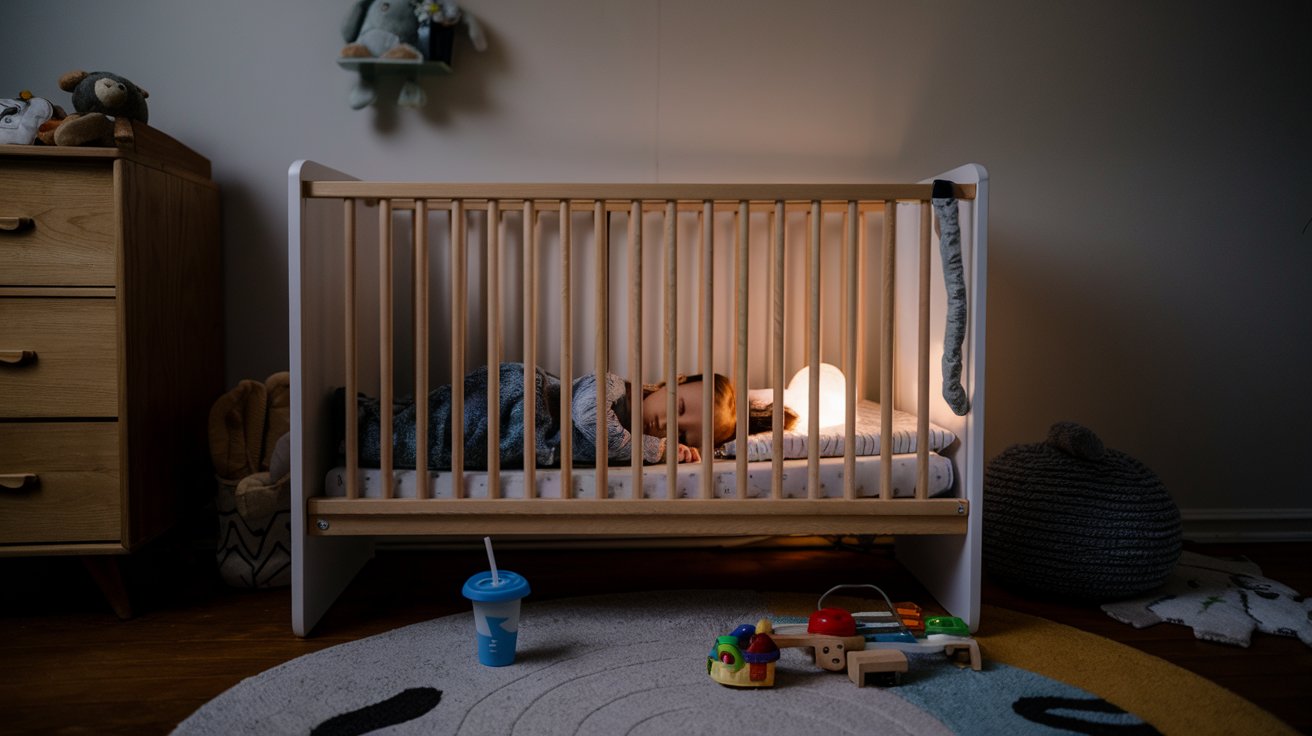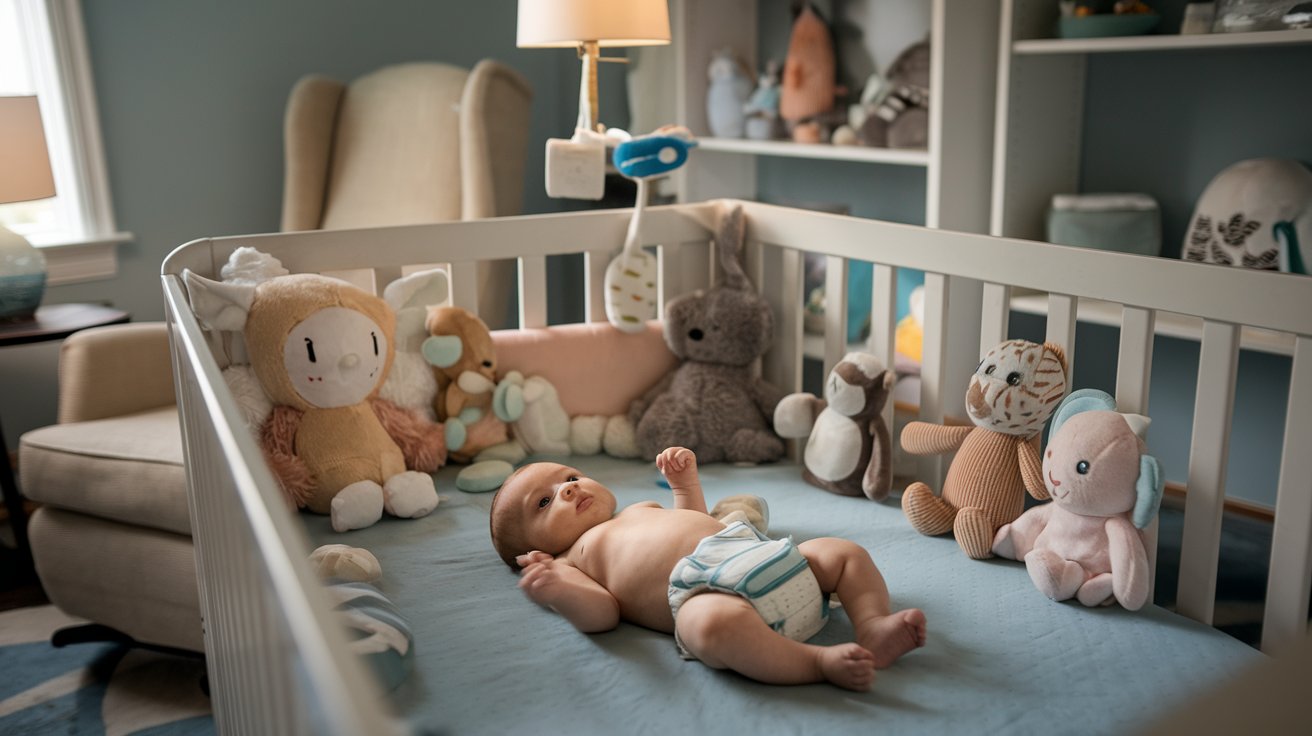
Parents often wonder when babies can have toys in crib safely without compromising sleep safety. According to the American Academy of Pediatrics (AAP) 2024 guidelines, babies should not have any toys, stuffed animals, or loveys in their crib until they reach 12 months of age. This critical safety period helps prevent Sudden Infant Death Syndrome (SIDS) and ensures optimal sleep conditions for your little one.
AAP Guidelines for Safe Sleep and Crib Toys
The American Academy of Pediatrics maintains strict guidelines regarding when babies can safely sleep with toys in their crib. The current 2024 recommendations state that infants under 12 months should sleep in a completely bare crib environment. This means no stuffed animals, blankets, bumper pads, or pillows should be present during sleep time. The AAP’s safe sleep campaign has contributed to a 50% reduction in SIDS cases since 1994, making these guidelines crucial for infant safety.
These recommendations apply to both nighttime sleep and daytime naps. The bare crib rule ensures that nothing can obstruct your baby’s breathing or cause overheating during sleep. Parents should maintain this practice until their child reaches their first birthday, when the risk of SIDS significantly decreases and babies develop better motor skills to move objects away from their face.
Understanding the 12-Month Milestone for Crib Safety
The 12-month milestone represents a critical developmental period when babies can safely have toys in their crib. At this age, infants have developed sufficient motor skills, neck strength, and cognitive abilities to move objects away from their face if breathing becomes compromised. Research shows that 99% of SIDS cases occur before the first birthday, making this age boundary scientifically significant for safe sleep practices.
By 12 months, babies typically can roll over independently, sit up unassisted, and have better control over their head and neck movements. These developmental milestones indicate that your baby can sleep with toys more safely than younger infants. However, parents should still choose age-appropriate toys and avoid items with small parts, long strings, or hard surfaces that could pose safety risks.
What is a Lovey and When Can Babies Use Them
A lovey is a small comfort object, typically a soft blanket, stuffed animal, or cloth toy that provides emotional security for babies and toddlers. These transitional objects help children self-soothe and feel secure when separated from parents. Popular lovey options include small blanket squares with attached stuffed animal heads, soft fabric books, or simple cloth squares measuring 12×12 inches.
While loveys offer significant emotional benefits, they must be introduced at the appropriate age to ensure safety. The comfort and security provided by a lovey can improve sleep quality, reduce separation anxiety, and help establish healthy sleep routines. Many pediatric sleep specialists recommend introducing a lovey after the first birthday when it becomes safe for babies to have comfort objects in their sleeping environment.
Benefits of Comfort Objects for Baby Development
Comfort objects provide numerous developmental benefits for babies and toddlers when introduced at the appropriate age. These items help children develop emotional regulation skills, reduce anxiety during sleep transitions, and create positive associations with bedtime routines. Studies show that children who use comfort objects often demonstrate better self-soothing abilities and experience fewer nighttime awakenings after 12 months of age.
The psychological benefits of loveys extend beyond sleep improvement. These objects help children navigate separation anxiety, provide emotional stability during stressful situations, and support the development of independence. Many child psychologists recognize comfort objects as healthy tools for emotional development, particularly when parents need to be away or during major life transitions like starting daycare.
Safe Toy Options for Babies Over 12 Months
When your baby reaches 12 months, you can safely introduce specific types of toys into their crib environment. The best options include small, soft stuffed animals without loose buttons or small parts, breathable lovey blankets, and simple cloth toys. Avoid toys with batteries, hard surfaces, long strings, or removable parts that could pose choking hazards during sleep.
Recommended safe crib toys should be smaller than 12 inches in any dimension to prevent entanglement risks. Look for toys made from breathable materials, machine-washable fabrics, and items specifically labeled as safe for infant sleep. Popular choices include organic cotton loveys, simple stuffed animals with embroidered features instead of buttons, and small security blankets designed for toddler use.
Introducing Comfort Objects: Step-by-Step Guide
Successfully introducing a comfort object requires patience and consistency. Begin by incorporating the chosen lovey into your daily routines before bedtime, allowing your baby to become familiar with the object during awake periods. Carry the lovey during feeding times, play sessions, and quiet moments to help your child develop a positive association with the item.
Preparation Phase for Lovey Introduction
Start the preparation phase by selecting an appropriate comfort object that meets safety standards for your baby’s age. Keep the lovey close to you for several days before introduction, allowing it to absorb your scent, which provides additional comfort for your baby. Choose a time when your child is well-rested and not experiencing major schedule changes or developmental leaps for optimal success.
Daily Integration Strategies
Incorporate the lovey into everyday activities by including it during story time, tummy time, and calm play sessions. Allow your baby to explore the comfort object freely while supervised, helping them become familiar with its texture, smell, and appearance. Consistency is key – use the same lovey every day to help your child form a strong attachment to their specific comfort object.
Common Mistakes to Avoid with Crib Safety
Many well-intentioned parents make critical mistakes when it comes to crib safety and toys. The most dangerous error is introducing comfort objects too early, before the 12-month safety milestone. Other common mistakes include choosing toys with small removable parts, using items with long ribbons or strings, and placing multiple objects in the crib at once, which can create suffocation risks.
Another frequent mistake involves using adult-sized blankets or pillows as comfort objects for babies under 24 months. These items are too large and can obstruct breathing or cause overheating. Parents should also avoid homemade comfort objects that haven’t been safety tested, toys with batteries or electronic components, and anything with loose buttons, beads, or decorative elements that could become choking hazards during sleep.
Alternatives to Crib Toys for Younger Babies
For babies under 12 months who cannot safely have toys in their crib, several alternative comfort methods can help improve sleep quality. White noise machines placed outside the crib provide consistent sound that masks environmental disturbances and creates a soothing sleep environment. Room temperature regulation, blackout curtains, and consistent bedtime routines offer comfort without compromising safety.
Swaddling remains an excellent comfort alternative for babies under 4 months, providing the security feeling of being held while maintaining safe sleep practices. For older infants who have outgrown swaddling, sleep sacks or wearable blankets offer warmth and comfort without loose bedding risks. Parents can also use gentle massage, soft singing, or quiet talking before placing baby in the bare crib to provide comfort during the transition to independent sleep.
Transitioning from Bare Crib to Comfort Objects
The transition from a bare crib to allowing comfort objects should happen gradually after your baby’s first birthday. Start by introducing the chosen lovey during supervised nap times before incorporating it into nighttime sleep routines. Monitor your child’s interaction with the comfort object during the first few weeks to ensure they can move it away from their face independently and show no signs of distress or safety concerns.
Some babies may immediately embrace their new comfort object, while others need several weeks to form an attachment. Be patient with the process and maintain consistency in offering the same lovey each time. If your child shows no interest in the comfort object after several weeks, try a different type of lovey or wait a few more months before reintroducing the concept, as readiness varies among individual children.
Signs Your Baby is Ready for Crib Toys
Several developmental indicators suggest your baby is ready for crib toys beyond the basic 12-month age requirement. These include the ability to sit up unassisted, roll over independently in both directions, and demonstrate purposeful object manipulation during play. Your baby should also show interest in soft toys during awake periods and have established consistent sleep patterns without frequent night wakings.
Additional readiness signs include your child’s ability to self-soothe without parental intervention, showing attachment to specific objects during the day, and displaying motor skills that allow them to move objects away from their face. If your baby consistently sleeps through the night, can climb or pull themselves up in the crib, and shows curiosity about comfort objects during supervised play, they may be ready to safely enjoy a lovey during sleep time.
Related video about when can babies have toys in crib
This video complements the article information with a practical visual demonstration.
Key Questions and Answers
When can a baby sleep with toys in a crib safely?
Babies can safely sleep with toys in their crib after 12 months of age, according to AAP guidelines. This age milestone ensures infants have developed sufficient motor skills and neck strength to move objects away from their face if needed, significantly reducing SIDS and suffocation risks.
What is the 5-8-5 rule for babies and sleep safety?
The 5-8-5 rule isn’t an official AAP guideline, but some parents refer to developmental milestones around 5-8 months when babies gain more motor control. However, the official recommendation remains that babies should not have any objects in their crib until 12 months of age for optimal safety.
Can I let my 6-month-old sleep with a lovey?
No, 6-month-old babies should not sleep with loveys or any comfort objects in their crib. The AAP recommends waiting until 12 months of age before introducing any toys, stuffed animals, or loveys into the sleep environment to prevent SIDS and suffocation risks.
Can my 1-year-old sleep with a toy safely?
Yes, once your baby reaches 12 months old, they can safely sleep with appropriate toys like small stuffed animals or loveys. Choose toys without small parts, long strings, or hard surfaces. The toy should be smaller than 12 inches and made from breathable, soft materials.
What age can babies have blankets and pillows in their crib?
Babies can have small comfort blankets (loveys) after 12 months, but regular blankets and pillows should wait until 18-24 months. Sleep sacks remain the safest option for warmth until toddlers can safely manage larger bedding items without suffocation risk.
How do I choose the best lovey for my baby?
The best lovey should be smaller than 12 inches, made from breathable materials, machine washable, and free from small parts or choking hazards. Popular options include small blanket squares with attached stuffed heads, simple cloth toys, or organic cotton comfort objects designed for infant safety.
| Age Milestone | Safety Guidelines | Recommended Actions |
|---|---|---|
| 0-12 months | Completely bare crib per AAP guidelines | Use sleep sacks, swaddles, white noise |
| 12+ months | Small, soft toys and loveys permitted | Introduce breathable comfort objects gradually |
| 18-24 months | Blankets and pillows can be considered | Transition to toddler bedding with supervision |